 blog
What to Look for in a Ranch Agent: 7 Key Traits
Table of Contents
- Why a Specialized Ranch Agent Matters More Than You Think
- Experience with Ranch, Farm, and Land Transactions
- Deep Knowledge of Local and Regional Markets
- Red Flags to Watch for When Evaluating a Ranch Agent
- Questions to Ask a Real Estate Agent When Buying Land
- How to Choose a Buyer's Agent for Ranch Land
- Understanding Recreational Ranch vs Working Ranch Expertise
- Conclusion
- Frequently Asked Questions
Last Updated: October 12, 2026
Why a Specialized Ranch Agent Matters More Than You Think
Buying ranch land is nothing like buying a suburban home. You're assessing water rights, soil quality, fencing, access roads, and whether the property can support your intended livestock or recreational use.
Most buyers make a critical mistake: hiring a general real estate agent who handles residential deals. That agent knows how to sell a house, not how to evaluate a working ranch or spot hidden problems that could cost you tens of thousands of dollars.
A specialized ranch agent understands local water law, grazing potential, and the infrastructure that separates a viable property from a money pit. At Monica Allison, realtor, we work with ranch and land transactions in the Hill Country, knowing what questions to ask, what red flags to watch for, and how to negotiate deals that protect your interests.
The difference shows up quickly: a specialist catches easements you didn't know existed, verifies water rights before you sign, and knows which properties have real investment potential.
This guide covers the traits that matter, the questions to ask, and how to spot an agent who understands your situation.
Experience with Ranch, Farm, and Land Transactions
Your agent needs a track record. Not just years in real estate, years specifically handling ranch and farm deals.
A ranch agent focuses on land transactions: negotiating water rights disputes, navigating easements and mineral rights, and understanding the distinct markets for working versus recreational properties.
Ask directly: How many ranch transactions have you closed in the last two years, where, and what types? A strong ranch agent can point to specific deals and explain what made them complex.
Look for agents who've handled properties like yours. Hunting properties, cattle operations, and 500-acre working ranches with complex water agreements each demand a different skill set.
Experience also means relationships: lenders who work with rural properties, surveyors who understand Hill Country land, environmental specialists, and water rights attorneys. Those connections save you time and money.
Ask for references from past clients, call them, and ask about the agent's ranch infrastructure knowledge, negotiation skills, and whether they caught problems before closing.
Deep Knowledge of Local and Regional Markets
"I know this area" is easy to say and hard to verify.
Here is what genuine local knowledge looks like when you test it.
They can name the data sources, not just the conclusion. A strong ranch agent pulls comparable sales from the county appraisal district, the local MLS, and land-specific platforms, then reconciles them against recorded sale prices.
They understand that price per acre is not one number. In most rural markets, price per acre falls as tract size rises and swings hard on whether a property has live water, improved pasture, or only dry grazing.
They know the regulatory layer on top of the land. Ranch use is shaped by county zoning and subdivision rules, floodplain maps, conservation easement terms, and, critically, state water law.
They track demand drivers, not just demand. What's pulling buyers in, a growing metro, hunting demand, a new conservation program, or limited inventory?
They know the seasonal rhythm. Ranch sales often slow in winter and pick up in spring and early summer, and hunting-property demand can spike ahead of the season.
They can speak to regional comparison. An agent working only a tight radius may not know how your property stacks up against similar tracts one county over. Regional perspective shows whether you're getting a fair deal relative to the broader market.
Finally, ask how current their knowledge is. An agent who closed a few deals three years ago and has been quiet since is working from stale information.
Red Flags to Watch for When Evaluating a Ranch Agent
Some agents talk a big game but lack genuine ranch expertise. Watch for these signs.
They can't explain water rights clearly. Water is the foundation of ranch value.
They haven't handled transactions in your area. An agent who claims expertise but has never closed a deal in Edwards County or your region is guessing; experience doesn't transfer directly to local conditions.
They pressure you to move fast. Legitimate ranch transactions take time and due diligence matters. An agent who pushes quick offers or downplays professional inspections is prioritizing commission over your interests.
They dismiss your concerns about property condition. A good agent investigates potential problems rather than brushing off questions about fencing, soil quality, or infrastructure, arranging inspections and coordinating with specialists.
They work both sides of the deal. If your agent also represents the seller, they have a conflict of interest. Your agent should represent your interests exclusively; dual representation misaligns incentives.
They can't discuss buyer representation agreements clearly. A professional agent explains what you're signing, and is transparent about fees, commission structures, and your obligations. Vagueness or evasion is a red flag.
They don't ask about your goals. Before showing properties, a strong agent asks what you plan to do with the land, investment, hunting, cattle production, or a getaway. Your answer changes which properties make sense.
Questions to Ask a Real Estate Agent When Buying Land
Come prepared with specific questions. Your answers reveal whether the agent truly understands ranch transactions.
Connect with Monica Allison now. →
About their experience:
- How many ranch transactions have you closed in the last 24 months?
- What types of properties do you specialize in: working ranches, recreational properties, or both?
- Have you handled transactions in this specific area?
- Can you provide references from past ranch buyers?
About the market:
- What did comparable properties sell for in the last year?
- How long do similar properties typically stay on the market?
- What's driving demand in this area right now?
- Are we in a buyer's market or a seller's market for ranch land?
About the property:
- What water sources serve this property, and what are the water rights?
- Are there any easements or restrictions on the land?
- What's the condition of the fencing and infrastructure?
- Has this property been surveyed recently?
- What environmental or soil issues should I know about?
About the process:
- What's your approach to due diligence on ranch properties?
- Who do you recommend for property inspections and surveys?
- How do you handle negotiations on complex deals?
- What happens if problems surface during inspection?
About representation:
- Do you represent both buyer and seller, or exclusively one side?
- How is your commission structured?
- What does the buyer representation agreement include?
- What are my obligations if I work with you?
An agent who answers directly and thoroughly demonstrates competence. One who gets defensive or vague is showing you something important.
How to Choose a Buyer's Agent for Ranch Land
Start by identifying agents who specialize in ranch transactions in your area. Don't settle for a generalist who dabbles in land deals.
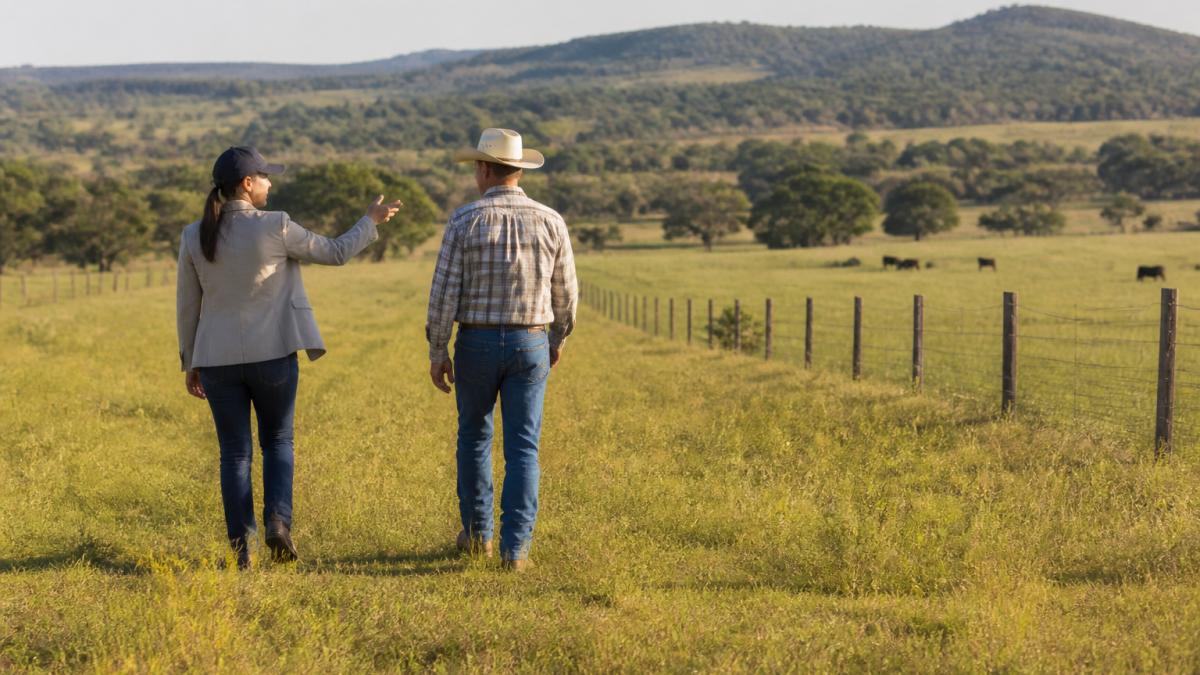
Interview at least three agents. Don't pick the first one you talk to. Notice who asks about your goals and who jumps straight to showing properties.
Verify their credentials and track record. Check license status, look for land or ranch certifications, and ask for proof of recent deals rather than claims about experience.
Assess their network. Do they have relationships with surveyors, environmental specialists, attorneys, and water rights experts who understand ranch transactions? A strong network means smoother transactions.
Evaluate their communication style. You'll work closely with this person. Do they explain clearly, listen to concerns, and follow up promptly? These matter more than you might think.
Understand the representation agreement before signing. Have your agent walk you through the contract: what you're committing to, what happens if you find a property through another source, and the exit terms.
Trust your instincts. If an agent feels pushy, evasive, or more interested in closing than serving you, keep looking. You need someone you can trust completely.
Understanding Recreational Ranch vs Working Ranch Expertise
Most guides split ranch agents into recreational and working. That binary is too blunt. The real question is whether your agent has handled your specific intended use, and the expertise shifts across at least five common buyer profiles.
Use this framework to match an agent's background to your goal.
Recreation and weekend use. Priorities shift to access, buildable sites, privacy, views, and proximity to town.
Hunting and wildlife. This requires habitat quality, wildlife movement patterns, managed wildlife program status, and how hunting pressure and neighboring land use affect the experience. An agent experienced in hunting properties can tell you whether a tract's layout and cover actually hold game, not just whether it photographs well.
Conservation and legacy. Buyers pursuing conservation goals need an agent who understands conservation easements, how they affect value and resale, and what tax and land-use programs apply. Without direct experience here, an agent can steer you into terms you'll regret.
Investment and income. If you're buying for appreciation, lease income, or both, the agent should speak to historical price trends, income potential from grazing or hunting leases, and how the property's characteristics affect liquidity at resale.
Where the lines blur. Many properties serve more than one purpose, a tract with good water and pasture might work for a small cattle operation, a hunting retreat, or both. A skilled agent shows you the realistic uses and their market implications: which adds value, which limits your buyer pool later, and how your intended use should shape your offer.
The specialists behind the agent. No single agent is an expert in every use case, and the strongest ones know it. A capable ranch agent coordinates surveyors, water-rights professionals, attorneys, inspectors, and agricultural or wildlife specialists.
Verify the fit, do not assume it. Ask what percentage of their transactions fall into your use category, request references from buyers with a similar goal, and note whether they ask about your intended use before showing anything.
Conclusion
Choosing the right ranch agent determines whether your purchase goes smoothly or becomes a costly headache. You need genuine ranch experience, deep local market knowledge, and a track record of successful transactions.
At Monica Allison, realtor, we specialize in ranch and land transactions throughout the Hill Country, understanding water rights, infrastructure assessment, and the market dynamics that affect your deal. We coordinate with specialists and help you make informed decisions.
Ready to find the right property with expert guidance? Connect with Monica Allison now and let's discuss your ranch buying goals.
Frequently Asked Questions
What questions should I ask a ranch agent before hiring them?
Ask how many ranch and agricultural land transactions they've completed in the past three years, whether they understand water rights and mineral rights in your state, and how they evaluate property for your specific use, whether it's cattle production, hunting, or investment. Request references from past ranch buyers. Ask about their process for assessing working infrastructure like fencing, water sources, and access roads. A strong ranch agent will have clear answers backed by specific examples.
How do I know if a real estate agent has actual experience with ranch land?
Request their transaction history focused on rural and agricultural properties, not just residential homes. Ask them to walk you through how they evaluated water sources, grazing potential, or working infrastructure on a recent ranch sale. A ranch specialist will speak naturally about soil quality, fencing conditions, and property boundaries. Ask how they stay current on local water rights and land-use regulations. If they struggle to discuss these topics with confidence, they lack the specialized experience you need.
What are the biggest red flags when choosing a ranch real estate agent?
Watch for agents who treat ranch properties like residential homes, agents who can't articulate your specific property goals or intended use, and those who rush due diligence on water rights or title issues. Be wary if they lack local market knowledge or can't provide comparable sales data for agricultural land. Red flags also include pressure to buy quickly, vague fee structures, or reluctance to coordinate with specialists like water rights attorneys or ranch appraisers.
Why should I use a buyer's agent for ranch land instead of working directly with a listing agent?
A buyer's agent for ranch land helps you understand fair market value, negotiate better terms, identify hidden issues before they become costly problems, and connect you with specialists for water rights and property evaluation. A dedicated buyer's agent brings objectivity to the process and works to protect your investment, whereas a listing agent's incentive is to close the sale quickly.