 how-to
How to Sell Farm and Ranch Land in Texas
Table of Contents
- Understand Your Property's Market Value
- Gather and Organize Documents Needed to Sell Land in Texas
- Prepare Your Property for Sale
- How to Market Farm and Ranch Land Effectively
- How Long It Takes to Sell Ranch Land
- Negotiate and Close Your Sale
- Understand Tax Implications When You Sell
- Frequently Asked Questions
Last Updated: October 5, 2026
Understand Your Property's Market Value
When you decide to sell farm and ranch land in Texas, pricing is your first critical decision. Get it wrong and you'll either lose qualified buyers or leave money on the table. The right price attracts serious offers quickly and positions your property competitively from day one.
Start with a comparable sales analysis. This means researching what similar properties in your county have sold for recently. Look at acreage, property features, location, and sale price. Properties with water access, good fencing, or improved pasture typically command higher prices per acre than raw land. The goal is to identify a realistic price range based on actual market transactions, not wishful thinking.
Comparable Sales Analysis
Pull recent sales data for properties similar to yours within a 10-15 mile radius. County tax assessor records and MLS databases show sale prices and property details. Focus on sales from the last 6-12 months to reflect current market conditions. Older sales may not represent today's demand or land use trends.
Pay attention to what made each comparable property sell at its price point. Did it have road frontage? Utilities? A working barn or livestock facilities? These amenities directly influence value. A property with water rights typically sells for significantly more than identical acreage without them. Mineral rights also matter, properties with active mineral leases or exploration potential attract different buyers and command different prices.
Price Per Acre Benchmarks
Texas ranch land valuation varies dramatically by county, land use, and available resources. Agricultural land used for ranching or farming typically ranges lower than recreational or investment properties. Properties near growing towns command premiums. Remote properties in Edwards County or other rural areas may sell for less per acre, but the total transaction can still be substantial due to larger acreage.
Calculate price per acre for each comparable sale. Divide the total sale price by the number of acres. This gives you a normalized metric for comparison. If comparable properties sold between $2,500 and $3,500 per acre, and your property has similar features, you're looking at that range. If yours has superior water access or proximity to town, you might justify the higher end.
Gather and Organize Documents Needed to Sell Land in Texas
Buyers and lenders will request extensive documentation. Having everything organized and ready accelerates the sale process and builds confidence that the transaction will close smoothly. Missing or incomplete documents create delays, kill deals, or force price reductions.
Title and Legal Documentation
Start with your deed and title insurance policy. These prove you own the property and that the title is clear. If you don't have a recent title policy, order one from a title company.
Check for any outstanding liens or judgments. Property tax records show whether taxes are current. Utility companies or contractors may have filed liens if work was performed and not paid. Clear these before listing, buyers won't proceed if title issues exist.
Gather any deed restrictions or covenants that apply to the property. These are legal limitations on how the land can be used. Some properties have agricultural preservation restrictions or conservation easements. Buyers need to know these exist and understand what they mean for their plans.
Property Records and Survey Information
Locate your most recent property survey. This document shows exact boundaries, acreage, and any structures. If your survey is more than 10 years old, consider ordering a new one.
Collect property tax records showing assessed value and current tax obligations. Buyers will verify these independently, but having them ready shows you've done your homework.
Document any easements or rights-of-way that cross your property. Utility easements for power lines, gas lines, or water lines are common on rural land. Buyers need to know these exist and understand any restrictions they impose.
If you have water rights, gather all documentation. In Texas, water rights are complex and vary by region.
Prepare Your Property for Sale
First impressions matter enormously with land. Buyers visualize their future on your property. A well-maintained property with clear boundaries and visible improvements sells faster and commands better pricing than neglected acreage.
Clear Photos and Listing Details
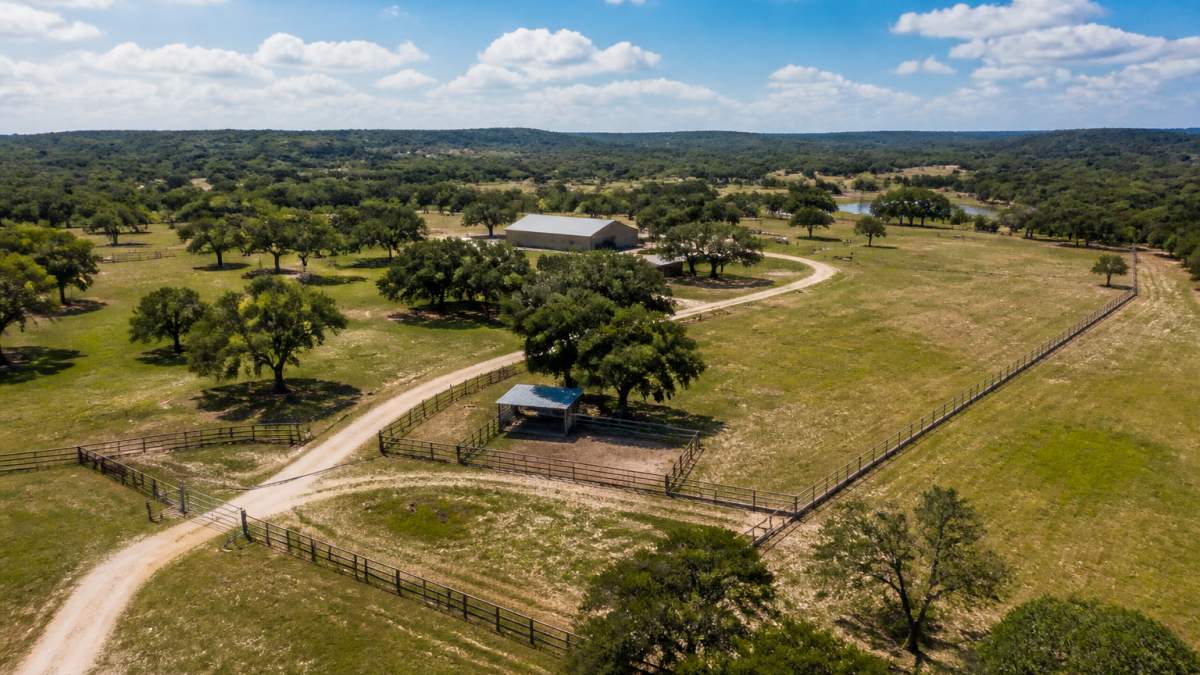
Professional photos are non-negotiable. Hire a photographer experienced with land and ranch properties. Aerial drone photos show property size, layout, and surrounding landscape. Ground-level photos capture details like fencing condition, water features, pasture quality, and any structures.
Take photos during good light, early morning or late afternoon provides better contrast and visual appeal than harsh midday sun. Show the property from multiple angles. Include close-ups of improvements like gates, water tanks, or livestock facilities. Show road frontage and access points clearly.
Write detailed listing descriptions that highlight property features. Mention acreage, county, distance to town, zoning, utilities available, and any special amenities. If the property has hunting potential, water access, or agricultural productivity, lead with those.
Address Deferred Maintenance
Walk your property critically. Fix obvious problems before listing. Repair broken fencing. Clear brush and debris. Fill erosion gullies if they're severe. These aren't expensive fixes, but they signal that the property has been cared for.
If your property has structures, barns, sheds, livestock facilities, ensure they're in reasonable condition. You don't need to renovate, but obvious decay or structural damage raises red flags for buyers. A barn with a few missing shingles is acceptable. A barn with a partially collapsed roof isn't.
Clear dead trees and obvious hazards. Remove junk or abandoned equipment. A clean property feels like a better investment than one littered with debris.
How to Market Farm and Ranch Land Effectively
Most landowners list on the MLS and wait for calls. That's passive marketing. Active marketing reaches the right buyers faster and generates competitive offers.
Target the Right Buyer Profile
Different buyer profiles seek different properties. Ranchers buying breeding stock need pasture quality and water. Hunters want acreage with wildlife habitat. Investors want appreciation potential. Retirees want peaceful, turnkey getaway properties. Identify which buyer type your property suits best, then target your marketing accordingly.
Ranching buyers research water availability, soil type, and proximity to feed suppliers. Emphasize these in your marketing. Hunting buyers want privacy and wildlife habitat. Highlight acreage, tree cover, and remoteness. Investment buyers want growth potential. Emphasize proximity to expanding towns or development trends.
Use Multiple Listing Channels
The MLS is essential but insufficient. List on regional land listing websites and national platforms. Texas Ranch Sales, LandWatch, and similar sites attract buyers actively searching for farm and ranch land in Texas. These buyers are often more motivated and serious than casual MLS browsers.
Connect with Monica Allison now. →
Connect with local real estate agents who specialize in ranch properties. They have buyer networks and can bring qualified leads. Advertise in agricultural publications and hunting magazines if appropriate for your property.
Social media and email marketing work too. Post photos and property details on Facebook and Instagram. If you have a mailing list or network of friends and family, let them know the property is for sale. Personal networks often generate unexpected interest.
How Long It Takes to Sell Ranch Land
Most farm and ranch land in Texas sells within 3-9 months, depending on market conditions and property characteristics. Some properties sell in weeks. Others take longer.
Timeline Factors and Market Conditions
Market demand is the biggest factor. Properties with water, good road access, and reasonable pricing in desirable counties sell faster.
Seasonality matters. Spring and early summer see more buyer activity. Winter is slower. Fall activity picks up again as people plan for the new year.
Property condition affects timeline. Well-maintained properties with clear title and organized documentation close faster. Properties with title issues or deferred maintenance linger.
Pricing is critical. Overpriced properties sit unsold for months. Realistically priced properties attract multiple offers quickly.
Buyer financing impacts speed. Cash buyers close in weeks. Financed buyers require appraisals and lender approval, adding 30-60 days.
Expect the selling process to take 4-6 months from listing to closing under typical conditions.
Negotiate and Close Your Sale
Once you receive an offer, negotiation begins. Most initial offers are below asking price. Expect to counter. The goal is reaching a price both parties accept.
Handle Offers and Counteroffers
Review each offer carefully. Consider not just price but terms. A lower offer with cash and quick closing might be better than a higher offer contingent on financing. An offer with a longer due diligence period gives the buyer time to inspect and research but delays your closing.
Counteroffers should be reasonable and justified. If the buyer offered $100,000 below asking, counter at $50,000 below if that's defensible based on market data. Unreasonable counteroffers kill negotiations.
Communicate through your real estate agent or attorney. Keep conversations professional and documented. Verbal agreements mean nothing, everything must be in writing.
Work Through Inspections and Due Diligence
Buyers typically request inspections and a due diligence period. They'll hire surveyors, hydrologists, and environmental specialists to verify property condition and characteristics. Cooperate fully. Delays here often indicate buyer hesitation, not legitimate inspection needs.
Provide access to the property for inspections. Answer questions about property history, utilities, water sources, and previous land use. Transparency builds confidence and moves deals forward.
If inspection reveals issues, be prepared to negotiate repairs or price adjustments. Minor issues rarely derail sales. Major issues, contaminated soil, title defects, or water rights problems, can kill deals entirely.
Understand Tax Implications When You Sell
Selling farm and ranch land in Texas triggers tax consequences. Understanding them helps you plan and avoid surprises at tax time.
Capital gains tax applies when you sell for more than your original purchase price. Long-term capital gains (property held more than one year) receive preferential tax rates compared to short-term gains (Topic no. 409, Capital gains and losses).
Texas has no state income tax, which simplifies things compared to other states. However, federal capital gains taxes still apply. Consult a tax professional to estimate your tax liability before closing.
Agricultural property may qualify for special valuation in some cases, reducing assessed value for tax purposes. However, selling the property typically triggers recapture of these benefits. Again, professional tax advice is essential.
Selling farm and ranch land in Texas requires preparation, realistic pricing, and strategic marketing. The process moves faster when you organize documents early, price competitively based on comparable sales, and market actively to qualified buyers.
Frequently Asked Questions
How do you determine the value of farm and ranch land in Texas?
Valuation depends on comparable sales in your county, price per acre for similar properties, water rights, mineral rights, and improvements like fencing or structures. A comparative market analysis examines recent sales of farms and ranches with similar acreage, location, and features. Factors such as soil quality, accessibility, and proximity to towns also influence value. Working with an agent experienced in farm and ranch land ensures your asking price reflects true market conditions and positions your property competitively among available properties.
What documents should you gather before listing ranch property?
Essential documents include the deed, property survey, title insurance commitment, and any easements or rights-of-way affecting the land. Gather documentation for water rights, mineral rights, and any grazing leases or agricultural permits. Collect property tax records, homeowners association documents if applicable, and environmental reports. Having these documents organized and accessible before listing accelerates the sale process and builds buyer confidence. Missing or unclear documentation can delay closing or reduce your property's value.
How long does it take to sell farm or ranch land?
Most ranch properties sell within 3 to 12 months, depending on acreage, asking price, location, and market conditions. Properties priced competitively in strong demand areas may sell in weeks, while specialized properties or those in remote locations can take longer. Marketing to qualified buyers, clear listing details with photos, and professional representation accelerate the timeline. Seasonal factors also matter, spring and early summer typically see more buyer activity than winter months.
What taxes do you pay when you sell land in Texas?
Capital gains tax applies to the profit from your sale at federal rates (15% or 20% for long-term gains, depending on income). Texas has no state income tax, which is a significant advantage for sellers. You may owe property taxes through the closing date and should verify any special assessments or tax obligations with your county assessor. Consult a tax professional or CPA to understand your specific liability, especially if the property qualifies for agricultural exemptions or if you're selling multiple parcels.