 blog
Who Are the Best Texas Hill Country Land Realtors?
Last Updated: November 19, 2026
Quick Summary
The best Texas Hill Country land realtors are specialists who verify access easements, water rights, septic feasibility, and exemption status before you make an offer, not residential agents with a ranch photo on their profile. Confirm an active license through the Texas Real Estate Commission and ask for buyer-side references from land transactions.
- A land specialist traces the access easement to a public road before you make an offer.
- Ask for a list of rural closings in the past twelve months, with counties.
- Call local title companies and ask which agents they see on rural closings.
- Wildlife exemptions require a written management plan filed with the county appraisal district.
- Ask any buyer's agent how their commission is structured before you tour an FSBO tract.
Table of Contents
- Why the Best Texas Hill Country Land Realtors Matter for Your Purchase
- How to Read Best Texas Hill Country Land Realtors Reviews
- Finding the Best Texas Hill Country Land Realtors Near Me
- What to Know About Land for Sale Hill Country TX
- Hill Country Ranches for Sale by Owner: What Buyers Should Know
- Questions to Ask Before You Hire a Land Realtor
- Connect With Monica Allison to Start Your Land Search
- Frequently Asked Questions
Why the Best Texas Hill Country Land Realtors Matter for Your Purchase
Buying rural land is not the same transaction as buying a house, and the difference starts with who represents you.
A residential agent sells houses on platted lots with city water and paved access. A land specialist reads a survey for easements and checks water sources on the property.
Below, we explain what separates a true land specialist from a generalist, how to read reviews, and which questions to ask before you sign.
What a Land Specialist Does That a Residential Agent Doesn't
A land specialist evaluates what makes acreage usable: legal and physical access, water rights, fencing, soil quality, and current agricultural or wildlife use. These items rarely appear on a standard MLS sheet.
- Access verification. A tract can be landlocked on paper and still list fine. Your agent should trace the access easement to a public road before you make an offer.
- Water and septic reality. Rural parcels usually need a drilled well and an approved septic system. Your agent should know which counties make that harder.
- Exemption history. Agricultural and wildlife exemptions transfer only if the use continues and the paperwork is current.
If you are still deciding what to look for in an agent, our guide on what to look for in a ranch agent breaks down the seven traits that separate a specialist from a generalist.
How to Read Best Texas Hill Country Land Realtors Reviews
Reviews tell you how an agent handled a transaction, not whether they know land. Read for specifics: did the reviewer mention a survey problem, a well issue, or an easement that got resolved? Generic five-star praise signals very little.
Land-Specific Signals in Reviews
- Transaction type named. Reviews that mention a ranch, acreage, hunting property, or farm sale tell you the agent has done land deals.
- Problem-and-resolution detail. The strongest reviews describe a specific issue, a survey exception, a failed well, an access easement, and how the agent handled it.
- County named. A reviewer who says the agent knew the appraisal district or surveyors in a specific county is giving you a verifiable signal.
Red Flags in Online Reviews
- Reviews that praise personality but never mention a transaction detail
- A cluster of near-identical reviews posted within a few days
- No reviews that mention land, acreage, or rural transactions at all
One more thing most buyers miss: a strong review from a seller does not vouch for buyer representation. Ask specifically for buyer-side references.
How to Verify What Reviews Claim
Reviews are marketing until you verify them. Use public records to check the claims:
- License status. Search the Texas Real Estate Commission license lookup to confirm an active license and check for disciplinary history.
- Transaction history. Ask for a list of rural closings in the past twelve months, with counties.
- Title company references. Call local title companies and ask which agents they see on rural closings.
- County appraisal district familiarity. Ask a question only a local practitioner would answer, such as how the district handles a wildlife exemption application.
- References by transaction type. Request two buyer-side references from land transactions, not home sales, and call them.
Watch out: an agent with many five-star reviews for residential sales may still have never closed a raw land tract.
Questions to Ask References Directly
When you call a reference, skip "were you happy?" and ask:
- What did the agent catch during due diligence that you would have missed?
- How did they handle the survey, the well test, or the septic evaluation?
- Did they explain the exemption status and the tax implications before closing?
A reference who can answer these in specifics is worth more than a page of five-star ratings.
Here is what to look for and what to avoid when scanning an agent's reviews.
| Signal | What to look for | Red flag |
|---|---|---|
| Transaction type | Reviews naming a ranch, acreage, hunting property, or farm sale | No reviews mentioning land, acreage, or rural transactions |
| Problem detail | Specific issue named, such as survey exception or failed well | Praise of personality with no transaction detail |
| County named | Reviewer cites appraisal district or surveyors in a county | Cluster of near-identical reviews posted within days |
| Representation | Buyer-side language like "represented us as buyers" | Complaints about slow communication never addressed |
| Timeline | Reviews mentioning how long a rural closing took | Reviews for a different office or agent entirely |
Finding the Best Texas Hill Country Land Realtors Near Me
A local search returns plenty of names, and many may be residential agents with a ranch photo on their profile. To find the best Texas Hill Country land realtors near me searches actually surface, filter by transaction history, not by map pin.
- Search the Texas Real Estate Commission license lookup to confirm an active license.
- Ask local title companies which agents they see on rural closings.
- Contact feed stores, veterinary clinics, and county extension offices; rural sellers talk.
- Check whether the agent's listings include acreage, hunting properties, or working ranches.
For a broader set of sourcing tactics, see our breakdown of ways to find ranch land for sale near San Antonio.
What to Know About Land for Sale Hill Country TX
Land for sale Hill Country TX listings vary more than any residential market you have shopped. Two parcels of the same size a mile apart can differ in water availability, floodplain exposure, and tax treatment.
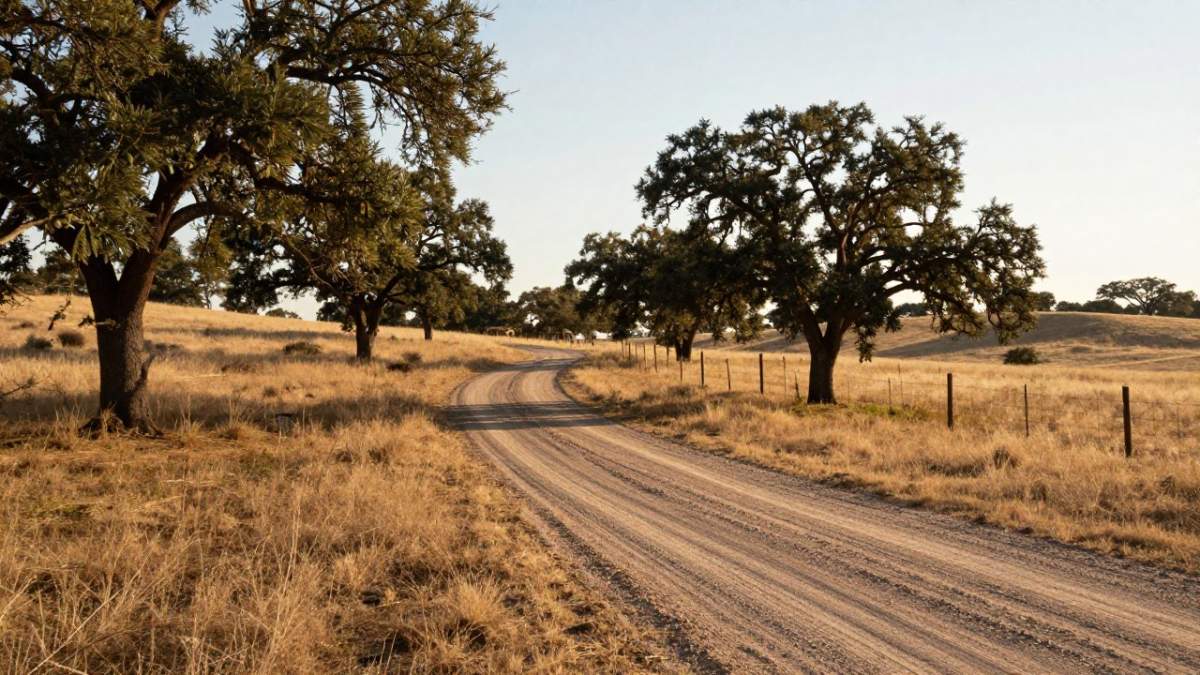
Start with the three questions that decide long-term cost: is there legal access, is there water, and what is the property taxed as?
Due Diligence Checklist for Raw Land
Raw land due diligence covers title, access, water, septic feasibility, survey, and environmental review before your option period closes. Work through this list with your agent and attorney:
- Title commitment reviewed for liens, exceptions, and recorded easements. Ask the title company to flag any exception touching access or mineral rights.
- Access easement traced to a public road and confirmed as recorded, not just verbal.
- Survey ordered, with fences and improvements matched to deed lines. Budget several weeks; boundary discrepancies are common on older tracts.
Two of these deserve extra attention. On water, our guide to verifying water rights on Texas ranch land walks through the records to request. On budget, read up on the hidden costs that eat into a raw land budget before you set your maximum offer.
Infrastructure and Utility Realities on Rural Tracts
Water. A drilled well is the default.
Septic. Without sewer service, you need an approved on-site system.
Power. Confirm whether a utility line reaches the property or whether you will pay for extension.
Access roads. Caliche and gravel roads require maintenance.
Watch out: "utilities nearby" does not mean utilities are connected, permitted, or affordable to bring to the building site.
Agricultural vs. Wildlife Exemptions
An agricultural exemption lowers property tax on land used for farming or livestock; a wildlife exemption does the same for land managed for wildlife under a written plan.
The choice usually comes down to what you will actually do with the land. Running cattle or hay points to agricultural. For a deeper look, read our explanation of the Texas ranch land agricultural exemption.
- Application timing matters. Applications are filed with the county appraisal district, and deadlines are set by the district. Missing one can mean paying a higher rate for the year.
- Use must continue. An exemption follows the land only if the qualifying use continues and the paperwork stays current.
- Wildlife plans are written documents. A wildlife exemption requires a management plan that meets county criteria, not a verbal understanding.
Comparing County Markets: Gillespie, Kendall, and Blanco
Hill Country land markets are not uniform, and the county line often changes what you get for the money.
- Gillespie County (Fredericksburg area) draws strong demand from buyers seeking acreage near an established town, with a mix of working ranches and recreational tracts.
- Kendall County (Boerne area) sits closer to San Antonio growth, and land values reflect that proximity.
- Blanco County offers more open country and larger tracts, with a quieter market and different access and water considerations.
A specialist who works one county regularly will know the local appraisal district and surveyors.
Hill Country Ranches for Sale by Owner: What Buyers Should Know
For-sale-by-owner ranch listings can offer direct contact with the seller, and they can also leave you negotiating against someone with no disclosure obligations beyond the law.
If you pursue an FSBO tract, bring representation. Ask any buyer's agent how their commission is structured before you tour, and have someone read the survey and easement language. Confirm the arrangement in writing before you tour.
Questions to Ask Before You Hire a Land Realtor
Ask these before signing anything, and listen for specifics rather than assurances:
- How many rural tracts did you close in the last twelve months, and in which counties?
- Who pays your commission on a buyer-side transaction, and how is it documented?
- How do you verify water rights and well history on a property?
- What does your due diligence timeline look like, and who coordinates the survey?
- Can you explain how agricultural and wildlife exemptions are applied for here?
- What happens if the property appraises below the contract price?
- Will you represent me if the seller is also working with you?
A specialist answers these without hedging. A generalist changes the subject.
Connect With Monica Allison to Start Your Land Search
The gap between a good tract and a costly one is usually paperwork, not scenery.
Monica Allison works both farm and ranch and residential real estate in the Texas Hill Country, which means one point of contact whether you are buying acreage, a weekend property, or a home on the land.
Connect with Monica Allison now to start your land search.
Every rural purchase has a detail that decides the outcome. Find yours before you sign.
Frequently Asked Questions
How do I find a good land realtor in the Texas Hill Country?
Start by confirming the agent actually specializes in land, not just homes. Ask how many ranch or acreage transactions they closed in the past year, whether they understand water rights and mineral rights, and how they handle due diligence on raw land. Read reviews for specifics about easements, surveys, and exemptions rather than generic praise. Interview two or three candidates and ask each to walk you through a recent transaction from contract to closing.
Can a residential realtor help me buy acreage or ranch land?
A residential realtor can technically show you land, but the skill sets differ. Land deals hinge on issues most home agents rarely touch: water rights, well drilling feasibility, septic systems, agricultural or wildlife exemptions, easements, and survey discrepancies. When you search for hill country land realtors, prioritize someone who works the farm and ranch side regularly and can spot these problems before they cost you at closing.
What factors affect the value of Texas Hill Country land?
Topography matters first: usable pasture, creek frontage, and views command more than steep, brush-choked acreage. Water access, whether a stock tank, well, or shared water supply, is a major driver. So are tax exemptions, fencing condition, soil quality for grazing, and proximity to paved roads and utilities. Mineral rights status and any easements also shift value. A land specialist runs a market analysis on comparable acreage sales rather than home comps.
How do real estate commissions work when buying or selling land?
Commission structures on land can differ from residential deals, and rates are negotiable between you and the brokerage. Ask for a written breakdown of what any commission covers, including marketing, photography, and negotiation, and compare that against other listing options.