 how-to
How to Research Mineral Rights Before Buying Land
Table of Contents
- Why Mineral Rights Research Matters Before You Buy
- Step 1: Pull the Property Deed and Look for Mineral Reservations
- Step 2: Run a Mineral Rights Title Search at the County Clerk
- Step 3: Trace the Chain of Title Through Prior Deeds
- How to Find Out Who Owns Mineral Rights Today
- Running an Oil and Gas Lease Search
- Your Mineral Rights Due Diligence Checklist
- Conclusion: When to Call a Professional
- Frequently Asked Questions
Last Updated: October 7, 2026
Why Mineral Rights Research Matters Before You Buy
Buying rural land without checking who owns the minerals underneath is one of the most expensive mistakes a buyer can make. In Texas, the mineral estate is legally dominant over the surface estate, which means the owner of the minerals can generally use the surface to reach them. Learning how to research mineral rights before buying protects your investment, your privacy, and your plans for the property.
This guide walks through the exact steps to check mineral ownership before closing. We work in farm, ranch, and residential real estate.
Surface Rights vs. Mineral Rights: What You Are Actually Buying
Surface rights cover what happens on top of the land: building, grazing, hunting, and fencing. Mineral rights cover what lies below: oil, gas, and other subsurface resources.
These two can be owned by different people. When that happens, the property is called a severed estate.
That split is the whole reason this research matters. A deed that looks clean on its face can still leave you sharing your land with strangers.
Step 1: Pull the Property Deed and Look for Mineral Reservations
Start with the deed. It is the single most important document in this process.
Ask the seller or the listing agent for a copy of the current deed, or pull it from the county clerk's records yourself. Then read it slowly, line by line. You are looking for specific phrases:
- "reserves all oil, gas, and other minerals"
- "mineral rights previously conveyed"
- "subject to prior reservations of record"
- "one-half of all minerals"
Any of these means the minerals are not fully included in your purchase. A deed reservation keeps the minerals with the seller. A mineral conveyance moves them to someone else entirely.
Step 2: Run a Mineral Rights Title Search at the County Clerk
The next stop is the county clerk's office, where every recorded document about that land lives. This is where the paper trail either confirms or contradicts what the deed told you.
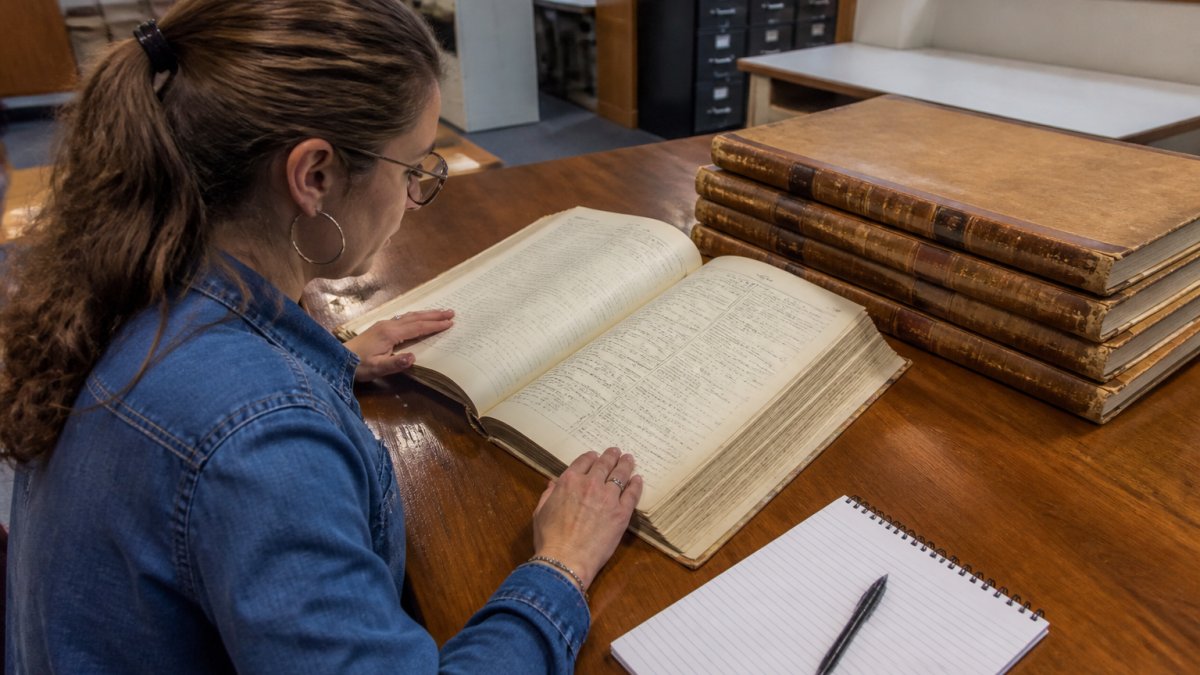
You can search in person or online, depending on the county.
Ask for the grantor-grantee index. It is organized two ways, and you need both:
- Grantor index, search the seller's name as the person who sold. This shows every deed they signed that touches the property.
- Grantee index, search the seller's name as the person who bought. This shows how they acquired the interest in the first place.
A mineral rights title search looks specifically for documents that separate minerals from the surface. Those include:
- Mineral deeds, a straight transfer of the mineral estate
- Reservations in general warranty deeds, the seller keeps the minerals when selling the surface
- Oil and gas leases, a company holds the right to explore and produce
- Liens and judgments, a debt secured by the mineral interest
- Affidavits of heirship, used to move a deceased owner's interest to heirs without full probate
County appraisal district records are a useful cross-check. If the parcel shows a separate mineral account with its own account number, that is a strong clue the minerals are owned apart from the surface.
Most counties charge a small per-page copy fee for recorded documents, and self-service terminals are usually free to use.
If the county's online portal is thin, paid title-plant databases and abstractor services can fill the gap, but they cost money and still rely on the same underlying county records. Free public records are the primary source; everything else is a convenience layer on top of them.
Step 3: Trace the Chain of Title Through Prior Deeds
The chain of title is the unbroken line of ownership from the original land grant to today. If any link in that chain is missing, the ownership picture is incomplete.
Work backward through the deed records. For each deed, note:
- The grantor (seller) and grantee (buyer)
- The recording date and document number
- Whether minerals were included, reserved, or excluded
A gap in the chain, a missing document, or a deed that references a volume and page you cannot find is called a title defect. Defects are fixable, but they take time and often a lawyer.
How to Find Out Who Owns Mineral Rights Today
The current owner is whoever holds the most recent recorded mineral deed, unless a later document transferred it. If you want to know how to find out who owns mineral rights on a specific parcel, follow the paper trail forward from the last severance.
Check these sources:
Connect with Monica Allison now. →
- County clerk records for the latest mineral deed
- County appraisal district records for a separate mineral account
- Probate records if the last owner died
- Lease records if the minerals have been leased
Probate, Inheritance, and Heirship Records
When a mineral owner dies, their interest passes to heirs. That transfer may be documented in a will, a probate order, or an heirship affidavit.
Search the probate court in the county where the owner lived. Look for the deceased owner's name and the parcel's legal description. If no will exists, the interest may be split among many co-owners, each holding a fraction. Tracking down every heir can be the hardest part of the whole process.
Running an Oil and Gas Lease Search
An oil and gas lease does not change who owns the minerals, but it changes what you can do with them. A lease gives a company the right to explore and produce.
Search the county records for lease documents naming the parcel. If you find one, note:
- The lessee (the company)
- The royalty interest and working interest split
- The primary term and any extensions
- Whether drilling activity has started
Production records from the state railroad commission show whether a well is actually producing nearby. That tells you about mineral potential, but it does not tell you who owns anything. Keep those two questions separate.
Your Mineral Rights Due Diligence Checklist
Use this mineral rights due diligence checklist before you waive any contingencies. It covers the records and questions that matter most, plus the buyer-specific risks most guides skip.
| Step | What to Check | Where to Look |
|---|---|---|
| 1 | Current deed for reservations | Seller, county clerk |
| 2 | Grantor-grantee index | County clerk |
| 3 | Full chain of title | Deed records |
| 4 | Probate and heirship | Probate court |
| 5 | Lease and production records | County clerk, state records |
| 6 | Ad valorem tax status on the mineral account | County tax office, appraisal district |
| 7 | Liens, judgments, and encumbrances | County clerk, court records |
| 8 | Surface access and surface-use agreement | Deed, lease, surface owner |
| 9 | Title opinion or landman review | Licensed professional |
The Buyer-Specific Risks Competitors Skip
A clean chain of title does not mean a clean purchase. These are the factors that change what you are actually buying:
Ad valorem taxes. Mineral interests are taxed separately in most producing counties. Unpaid mineral taxes can become a lien on the interest, and in some jurisdictions the interest can be sold at a tax sale. Pull the tax status on the mineral account, not just the surface account, and confirm who owes what before closing.
Existing lease obligations. If the minerals are under an active oil and gas lease, you are buying the royalty interest subject to that lease, not the right to sign a new one.
Liens and judgments. A judgment against a prior mineral owner can attach to the interest.
Co-owner friction. If the interest is split among heirs or multiple owners, you may need unanimous consent for a new lease or a partition action to sell.
The Decision Workflow
At each step, ask one question: does the record confirm, contradict, or leave open the ownership picture?
- Confirm, the deed, index, and tax records all agree. Move to the next step.
- Contradict, two records disagree. Go back to the primary document, the actual recorded deed, and trust it over any summary or index entry.
- Open, a gap in the chain, a missing heir, or an unrecorded transfer. This is where a title opinion or attorney review is warranted before you commit.
When records conflict, the resolution order is: recorded deed over index entry, later recording over earlier, and court order over affidavit. If you cannot resolve a conflict with primary records, that is the signal to bring in a landman or real estate attorney before you waive contingencies.
Conclusion: When to Call a Professional
Mineral title work is doable on your own for a simple parcel. It gets complicated fast when the chain is broken, heirs are scattered, or a lease is active. That is when a landman or real estate attorney earns their fee.
If you are buying ranch or residential property in the Texas Hill Country and want someone who checks mineral and water rights before you sign, connect with Monica Allison now. Monica Allison, realtor, can assist with reviewing deeds, pulling county records, and flagging title issues early so you know what you are buying.
Frequently Asked Questions
Will a title search show mineral rights?
A standard title search shows recorded documents that affect the property, including mineral reservations, mineral deeds, and oil and gas leases. It will reveal whether the mineral estate was severed from the surface estate at some point. However, a standard title commitment may not fully trace every fractional mineral interest across generations of heirs. For a complete picture, you need a mineral rights title search that specifically follows the mineral estate through the chain of title, including probate and heirship records.
How do I find out if mineral rights convey with a property?
Start with the property deed. Look for language that reserves minerals to a prior owner or conveys them to the buyer. Phrases like 'reserving all oil, gas, and other minerals' mean the minerals were severed and do not convey. If the deed is silent, trace the chain of title backward through the county clerk's grantor-grantee index. A mineral rights due diligence checklist should include a deed review, a title search, and a check for any active oil and gas leases before you close.
What does it mean if a seller owns only a percentage of the mineral rights?
Mineral ownership is often divided among multiple co-owners, each holding a fractional interest. If a seller owns 25% of the minerals, you would become a co-owner with the other interest holders. You cannot lease or sell the entire mineral estate without their agreement. Before buying, find out who the other co-owners are, whether they are active or missing, and whether any leases or liens encumber their shares. This affects both your ability to profit and your legal exposure.
When should I hire a landman or oil and gas attorney to research mineral rights?
Hire a professional when the chain of title is complex, when heirship issues appear, when active drilling or leasing is nearby, or when the seller cannot produce clear documentation. A landman can run a full mineral rights title search, review lease records, and produce a title opinion. An oil and gas attorney can resolve title defects, interpret ambiguous deed language, and advise on purchase contract terms. For simple severed estates with clear records, you may handle the research yourself, but professional review is worth the cost on any high-value transaction.
Mineral rights issues rarely show up in a listing photo, but they can change what you are allowed to do with your land for decades. If you are unsure whether a property includes its minerals, get a professional review before you close. Monica Allison, realtor helps buyers and sellers across the Texas Hill Country with farm, ranch, and residential transactions, from deed review to closing. Connect with Monica Allison now to protect your next land purchase.