 how-to
Identifying Hidden Easements on Rural Property
Table of Contents
- What Are Easements and Why They Matter on Rural Land
- Step 1: Conduct a Title Search to Uncover Recorded Easements
- Step 2: Hiring a Land Surveyor for Due Diligence
- Step 3: How to Read a Property Survey for Easements
- Step 4: Check County Records and Public Documents
- Step 5: Physical Inspection and Visual Markers
- Understanding Title Insurance for Rural Land
- Common Hidden Easements You Should Know About
- Frequently Asked Questions
Last Updated: October 4, 2026
What Are Easements and Why They Matter on Rural Land
An easement is a legal right that allows someone other than the property owner to use a specific portion of the land for a defined purpose. On rural property, easements are common. They grant access to utility companies, neighbors, or government agencies. The problem is that many easements remain hidden until after you've already purchased the land.
This guide covers how to identify hidden easements on rural property before they become your problem. Easements can restrict how you use your land, limit your ability to build or subdivide, and create unexpected liability. A utility easement might prevent you from planting trees in certain areas. An access easement could allow your neighbor to drive across your property.
The stakes are high when buying rural property. You might discover after closing that you cannot fence off a section of land, build a structure, or control who crosses your property. These restrictions are often invisible until you search for them. That's why identifying hidden easements on rural property requires a systematic approach combining title research, professional surveys, and physical inspection.
Step 1: Conduct a Title Search to Uncover Recorded Easements
Start by ordering a title search through a title company or attorney. A title search examines the chain of title, the complete ownership history of the property. This search reveals all recorded easements, restrictions, and encumbrances attached to the property.
Request a title commitment before you buy. This document lists everything affecting the property. Look for language describing easements, rights-of-way, or utility access. Common terms include "utility easement," "access easement," "conservation easement," and "right-of-way." Each one has different implications for how you can use the land.
Title searches are not optional when identifying hidden easements on rural property. They form the foundation of your due diligence. A recorded easement appears in the public record and will show up in any legitimate title search.
Pay attention to the legal description in the title commitment. It tells you the exact boundaries and any restrictions. If the description mentions easements, ask the title company for copies of the original documents. Read them carefully. Some easements are narrow and specific. Others grant broad access rights.
Step 2: Hiring a Land Surveyor for Due Diligence
A professional land survey is your most valuable tool for identifying hidden easements on rural property. A licensed surveyor physically marks the property boundaries and identifies visible easement markers, utility lines, and access roads. They also research historical survey records and plat maps.
Hiring a land surveyor costs money upfront, but it prevents far more expensive problems later. A surveyor will:
- Mark the exact property boundaries with stakes or flags
- Identify visible utility easements and access routes
- Research county records for recorded easements
- Note any encroachments from neighboring properties
- Flag areas where easements may exist but are not recorded
Choose a surveyor licensed in your state. Ask if they have experience with rural property and easements. A surveyor familiar with ranch and agricultural land will spot patterns and markers you might miss. They understand how utility companies typically route easements and where access roads are likely to exist.
Request a detailed survey report that specifically addresses easements. Ask the surveyor to mark easement locations on the survey map. This visual representation helps you understand exactly where restrictions apply and how they affect your ability to use the land.
Step 3: How to Read a Property Survey for Easements
A property survey is a technical document, but learning to read it for easements is straightforward. The survey shows the property boundary as a heavy line. Easements appear as lighter lines or shaded areas crossing the property.
Look for these markings on the survey:
- Utility easements: Usually run in straight lines along property edges or through the middle. Marked as "utility easement" or "power line easement"
- Access easements: Appear as roads or pathways crossing the property. Often marked as "right-of-way" or "access easement"
- Conservation easements: Cover large areas and restrict development. Marked as "conservation easement" or "deed restriction"
- Drainage easements: Follow natural drainage patterns. Marked as "drainage easement" or "stormwater easement"
The survey legend explains what each symbol means. Study it carefully. A dotted line might indicate a utility easement, while a solid line indicates a boundary. Colors sometimes distinguish between different types of easements.
Pay special attention to the legal description. It includes language like "subject to easements" or "excepting and reserving easements." This language confirms that easements exist. The description should reference specific documents recorded in the county records.
When reading a property survey for easements, measure distances. How far is the easement from the house site or barn location? Could you build where you want to build? Could you install a septic system or well in areas you're considering? These practical questions help you understand the real impact.
Step 4: Check County Records and Public Documents
County clerk offices maintain public records of all easements, restrictions, and encumbrances. You can search these records online through most county websites. Search by property address or parcel number to find all recorded documents affecting your land.
Look for documents labeled:
- Easement agreements
- Deed restrictions
- Right-of-way grants
- Utility franchise agreements
- Conservation easement documents
- Restrictive covenants
Request copies of any document mentioning your property. Read the full text, not just the summary. Some easements are temporary. Others are permanent. Some limit specific uses, while others grant broad access rights.
Contact your county assessor's office for a plat map. The plat shows how the land was originally subdivided and often indicates easements. Older plat maps sometimes reveal easements that have been forgotten but remain legally valid.
Check with local utility companies. Call the electric company, gas company, water district, and telephone provider. Ask if they have easements on your property. Many utility easements are recorded, but some are not. The utility company's records might reveal easements that don't appear in the county records.
Step 5: Physical Inspection and Visual Markers
Walk your property and look for physical signs of easements. Utility companies, neighbors, and government agencies leave visible markers. These markers indicate where easements exist and how they're used.
Connect with Monica Allison now. →
Common visual markers include:
- Utility poles and lines: Power, telephone, and cable lines indicate utility easements. Follow the line across the property to see where the easement runs
- Worn pathways: Repeated vehicle or foot traffic creates visible wear patterns. These indicate access easements used regularly
- Fence gaps: Breaks in fencing sometimes indicate easement locations where fencing is prohibited
- Survey stakes and ribbons: Previous surveys or utility work may have left markers in the ground
- Metal tags and signs: Utility companies often mark easements with small metal tags or signs indicating the company name
- Drainage channels: Swales, ditches, or culverts indicate drainage or irrigation easements
- Gates and cattle guards: Access easements often include gates for regular use
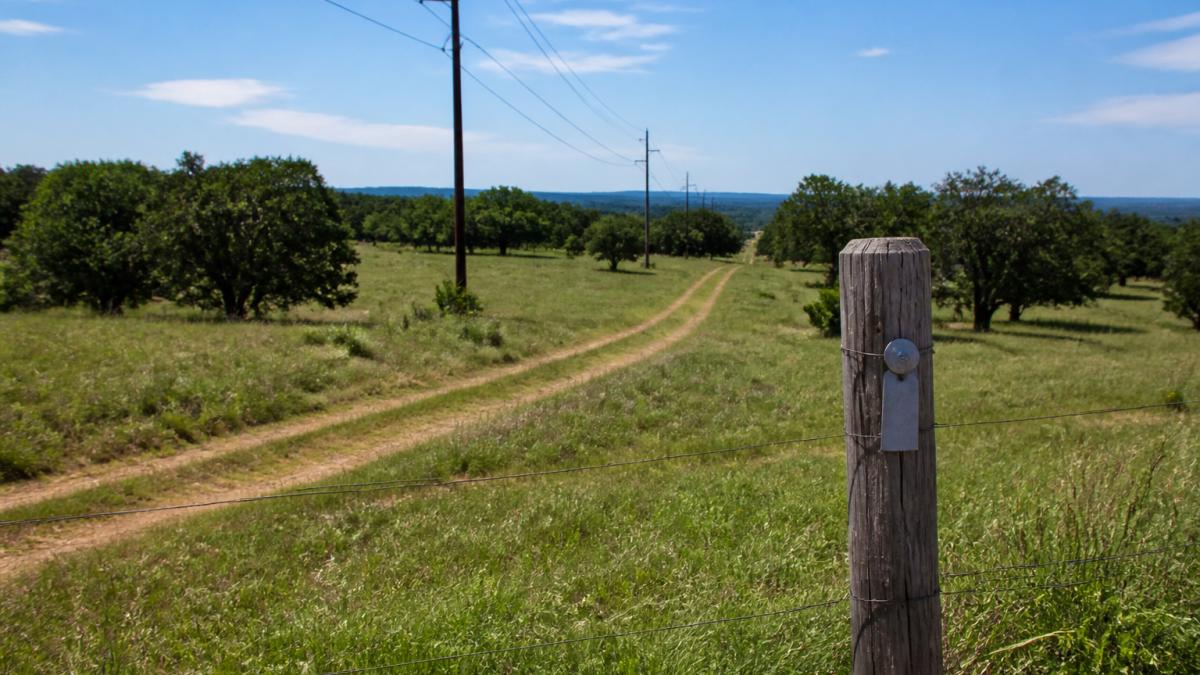
Document what you find with photographs. Mark locations on a map. Compare your physical findings with the survey and title documents. If you see a utility line crossing the property but the title search didn't mention an easement, that's a red flag. It means an unrecorded easement likely exists.
Talk to the current property owner and neighbors. Ask about easements, utility access, and who uses the property. A neighbor might mention that they drive across your land to reach their property. The current owner might mention that the utility company clears vegetation along a power line easement every few years. These conversations reveal easements that might not appear in formal documents.
Understanding Title Insurance for Rural Land
Title insurance protects you against losses from title defects, including easements. However, title insurance has important limitations when identifying hidden easements on rural property.
Standard title insurance covers easements that appear in the public record. If an easement is properly recorded in the county records, title insurance will protect you if someone later claims a different right to the same land. However, title insurance does NOT protect you against the existence of the easement itself.
Title insurance also does NOT cover unrecorded easements. If an easement exists through long-term use but was never formally recorded, title insurance won't help. This is why physical inspection and surveying are so important. They reveal easements that title insurance cannot protect against.
When you purchase title insurance, review the exceptions list carefully. It shows what's NOT covered. Recorded easements appear as exceptions. This means they're known but not insured against. Unrecorded easements won't appear anywhere, which is the problem.
Ask your title company about extended coverage options. Some policies offer better protection for easements and encroachments. The additional cost is usually modest and provides valuable protection when buying rural property.
Common Hidden Easements You Should Know About
Certain types of easements appear frequently on rural property. Understanding these common types helps you know what to look for when identifying hidden easements on rural property.
Utility Easements are the most common. Electric companies, gas companies, water districts, and telephone providers all need access to equipment and lines.
Access Easements allow neighbors or the public to cross your property. A landlocked parcel (one with no direct road access) often has an access easement across neighboring properties.
Conservation Easements restrict development to preserve land in its natural state.
Drainage and Irrigation Easements allow water to flow across your property or allow irrigation companies to access water infrastructure.
Right-of-Way Easements grant the government or utilities the right to improve, maintain, and access a corridor across your property. Roads, pipelines, and transmission lines often use right-of-way easements.
Prescriptive Easements result from long-term use rather than formal recording.
| Easement Type | Typical Width | Common Use | Impact on Land Use |
|---|---|---|---|
| Utility | 10-50 feet | Power, gas, water, telecom | Restricts building, vegetation |
| Access | Variable | Road access, neighbor crossing | Allows regular vehicle/foot traffic |
| Conservation | Entire parcel | Environmental protection | Restricts development, building |
| Drainage | 10-30 feet | Water management | Restricts structures, grading |
| Right-of-way | 30-100+ feet | Roads, pipelines, transmission | Maintenance access, construction |
| Prescriptive | Variable | Historical use patterns | Depends on specific use |
Identifying hidden easements on rural property requires patience and thoroughness.
When you're ready to buy rural property, connect with Monica Allison, realtor. We understand the complexities of rural land transactions in the Texas Hill Country.
Frequently Asked Questions
Will a title search show all easements on a property?
A title search reveals recorded easements, which are the most common type. However, prescriptive easements, created through long-term public use without the owner's permission, may not appear in records. Implied easements by necessity also might not show up. This is why a professional property survey and county record check are essential steps beyond the title search alone.
How much can a hidden easement devalue a property?
The impact depends on the easement type and location. A utility easement across the back of the property may have minimal impact, while an access easement cutting through the middle can significantly reduce usable land and affect development potential. Title insurance for rural land can be a critical safeguard.
What's the difference between a prescriptive easement and a recorded easement?
A recorded easement is formally documented in county records and appears on deeds. A prescriptive easement develops when someone uses your land openly and continuously for a statutory period (typically 10 years in most states) without permission. Prescriptive easements are harder to discover because they aren't filed, this is why physical inspection and local knowledge matter.
How do I find easement records in county records?
Visit your county clerk's office or access online property records through the county assessor's website. Search by property address or legal description. Look for documents labeled 'easement,' 'right-of-way,' or 'encumbrance.' Many counties now offer GIS mapping tools that visually display easement locations on your property. If you're unfamiliar with legal documents, a real estate professional can help interpret what you find.