 blog
Ranch Properties for Sale in Edwards County: 2026 Buyer's Guide
Table of Contents
- Ranch Properties for Sale in Edwards County: What You Need to Know
- Edwards County Land Prices Per Acre and Market Context
- Ranch Land With Water for Sale in Edwards County
- Edwards County Hunting Land for Sale: Features and Suitability
- Texas Ranch Buying Checklist: Due Diligence Before Purchase
- Location, Topography, and Hill Country Terrain
- Finding the Right Ranch Property: Owner Financing and Next Steps
- Frequently Asked Questions
Last Updated: October 21, 2026
Ranch Properties for Sale in Edwards County: What You Need to Know
Finding the right ranch property requires understanding what makes ranch properties Edwards County valuable and how to evaluate them properly.
The terrain, water availability, and location relative to Rocksprings and Junction shape both property value and suitability for your intended use. This guide walks you through the essential factors that separate a solid investment from an overpriced parcel.
Ranch properties Edwards County range widely in size, price, and features. Some sit on high-fenced hunting land with established blinds and feeders. Others offer raw acreage with minimal improvements. Understanding these differences, and how to verify them, is the foundation of a smart purchase.
Edwards County Land Prices Per Acre and Market Context
Land prices in Edwards County vary significantly based on acreage, water availability, fencing, and proximity to town.
A common mistake is comparing price per acre without accounting for what comes with the land. A low per-acre figure might reflect poor water access or challenging terrain. Conversely, a higher price might include established infrastructure, functional fencing, or proven hunting habitat.
When evaluating ranch properties for sale in Edwards County, ask your realtor for comparable sales from the past 12 months. The Hill Country market moves, and outdated comps mislead buyers into overpaying or undervaluing their own property.
Several factors drive price variance across Edwards County land:
- Acreage size: Smaller parcels (under 50 acres) often command higher per-acre premiums. Larger ranches (500+ acres) may sell at lower per-acre rates but require more capital upfront.
- Water availability: Properties with functioning wells or surface water access sell faster and at higher multiples than dry land.
- Fencing condition: High-fenced properties with maintained perimeter fencing cost more but eliminate the expense of rebuilding it yourself.
- Road access: Properties with paved or well-maintained ranch roads are more valuable than those requiring high-clearance-only access.
- Hunting potential: Land with established wildlife habitat, blinds, feeders, and documented game populations commands premium pricing.
Working with a realtor who understands Edwards County specifically helps you decode these variables.
Ranch Land With Water for Sale in Edwards County
Water is the single most important factor in Edwards County ranch property valuation. Without it, land is expensive to develop and difficult to use for ranching, hunting, or livestock operations.
Water Well Availability and Verification
Before committing to any ranch property, you need certainty about water. A well that produces 5 gallons per minute is fundamentally different from one producing 20 gallons per minute, and the difference affects your entire operation.
Verify water availability through multiple steps:
- Request the well log: Ask the seller for documentation from the Texas Water Development Board showing well depth, production rate, and water quality testing results. If they don't have it, that's a red flag.
- Test the water: Hire a licensed water testing service to check for contaminants, mineral content, and salinity. Edwards County geology varies, and some areas have higher mineral content that affects livestock and irrigation use.
- Confirm the pump system: Ensure the existing pump is functional and appropriately sized for the well's production. A failing pump can cost $3,000-$8,000 to replace.
- Check seasonal variation: Ask the seller about water production during dry seasons. Some wells produce well year-round; others drop significantly during drought.
A property with a documented, tested, reliable well is worth substantially more than one with an untested or marginal water source. Don't skip this step.
Water Rights and Access Considerations
Texas water law is complex, and Edwards County properties often involve groundwater rights tied to the land. Understanding what you're actually purchasing is essential.
When you buy ranch property in Edwards County, you're typically acquiring groundwater rights to the water beneath your parcel. However, these rights have limits and conditions:
- Groundwater conservation districts: Edwards County falls under the Edwards Aquifer Authority (EAA) jurisdiction in some areas. The EAA regulates withdrawals to protect the aquifer. Check whether your property is in a regulated zone and what withdrawal limits apply.
- Shared aquifer considerations: If multiple properties draw from the same aquifer, your well's productivity may depend on neighboring usage. In drought years, this matters significantly.
- Surface water: If the property includes a creek, spring, or other surface water, different rules apply. Surface water rights are often senior to groundwater rights and may be restricted.
If the property is in an EAA-regulated area, factor in potential future restrictions on water use.
Edwards County Hunting Land for Sale: Features and Suitability
Hunting properties represent a significant portion of the Edwards County market. If you're buying for hunting, specific features determine whether the land will actually deliver the experience you're seeking.
Fencing, Blinds, and Habitat Quality
High-fenced hunting property commands premium pricing because it allows you to control the wildlife population and hunting experience. Low-fenced land requires coordination with neighbors and offers less control but costs less upfront.
When evaluating hunting ranch properties for sale in Edwards County, assess the fencing condition honestly:
- High-fenced properties: The perimeter fence should be at least 6 feet tall and in good repair. Budget $1,500-$3,000 per mile for fence maintenance or replacement. Check for gaps, rust, or damage that would allow deer escape.
- Low-fenced properties: These work for hunters willing to manage open-range hunting or for landowners focused on wildlife conservation rather than trophy management.
- Interior improvements: Look for existing blinds, feeders, and water stations. A property with established blinds and feeders is ready to hunt immediately. A raw parcel requires significant investment in infrastructure.
The presence of maintained blinds and feeders indicates the seller has invested in the property's hunting value. This is a positive signal, though you should inspect them for condition and safety.
Wildlife and Terrain for Hunting Operations
Edwards County terrain ranges from open prairie to cedar-covered hills. The terrain you choose affects which game species thrive and how you'll hunt them.
Whitetail deer hunting dominates the Edwards County market, but the landscape also supports exotic game (axis deer, fallow deer) on high-fenced ranches. The terrain's vegetation, oak, cedar, mesquite, and native grasses, determines habitat quality.
Connect with Monica Allison now. →
Properties with mixed cover (open areas for grazing, dense brush for bedding) support higher deer populations than uniform terrain. Look for natural water sources, elevation changes, and vegetation diversity. These features indicate strong wildlife habitat.
Texas Ranch Buying Checklist: Due Diligence Before Purchase
Most rural property issues emerge after closing. Proper due diligence prevents expensive surprises.
Title, Easements, and Legal Verification
Before you commit to any ranch property, hire a title company to perform a full title search. This reveals easements, liens, deed restrictions, and other encumbrances that affect your ownership and use.
Common issues on Edwards County ranch properties include:
- Utility easements: Power lines, water lines, or pipeline easements may cross the property, restricting where you can build or develop.
- Access easements: Previous owners may have granted neighbors the right to cross your land. These rights run with the property even after you buy it.
- Mineral rights: The land you're buying may not include mineral rights. If someone else owns the minerals, they have the right to extract oil, gas, or other minerals, which can disrupt your use of the surface.
- Conservation easements: Some Edwards County properties are under conservation easements that restrict development or land use.
If problems exist, they should be resolved or reflected in the purchase price.
Utilities, Road Access, and Property Improvements
Rural properties often lack the utilities you take for granted in town. Verify what's actually available before you buy.
- Electricity: Is power available at the property line, or would you need to run a line (expensive)? Check with the local electric cooperative for availability and connection costs.
- Water: We covered wells above. Also confirm whether the property has a septic system or connects to municipal water/sewer. Septic systems require maintenance and periodic pumping.
- Road access: Is the property accessible by maintained ranch road or paved county road? Access affects resale value, utility access, and emergency response times.
- Internet and phone: Rural areas may have limited options. If you need reliable internet, verify service availability before buying.
Ask the seller for utility bills and service documentation. This shows you what's actually working and what costs to expect.
Location, Topography, and Hill Country Terrain
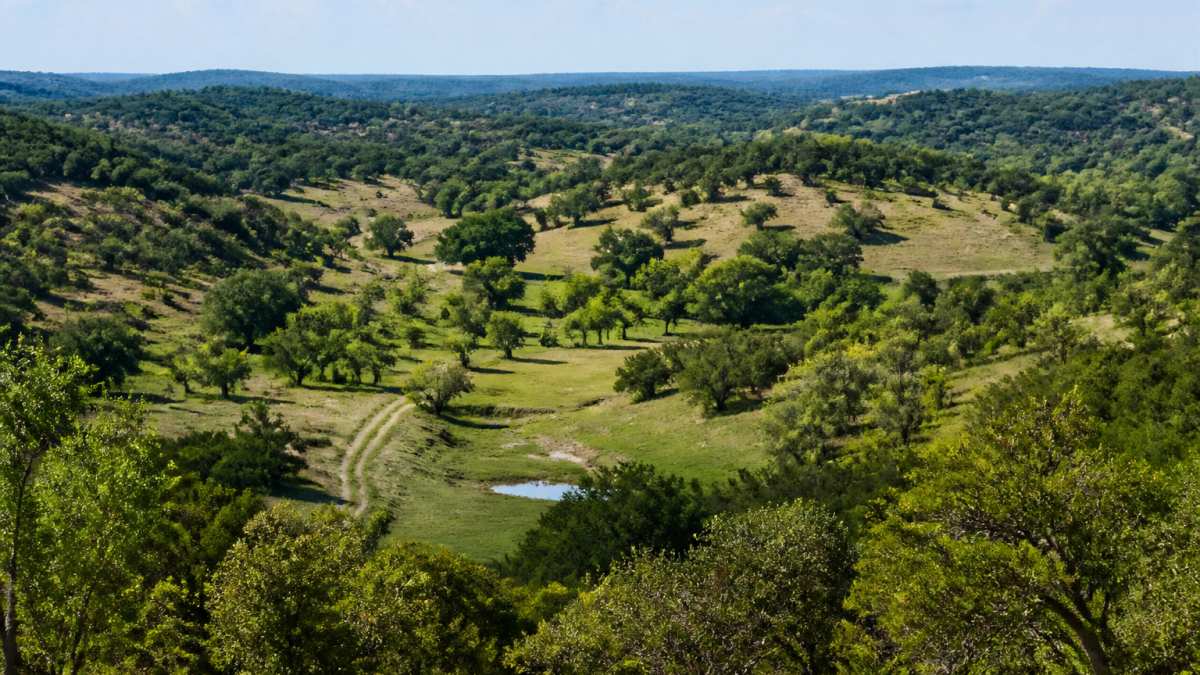
Edwards County's geography shapes both property value and usability. The Hill Country terrain here is characterized by limestone hills, cedar-covered slopes, and intermittent water drainage.
Topography affects water runoff, vegetation, and accessibility. Properties on hilltops have views and natural drainage but may have difficulty accessing water. Low-lying areas may have better water access but drainage issues during heavy rain.
The Edwards County landscape also determines what grows there. Native grasses, oak, cedar, and mesquite are typical. Properties with diverse vegetation support more wildlife and look more attractive than monoculture cedar thickets.
Proximity to Rocksprings and Junction affects property value and convenience. Properties within 30 minutes of town command premiums over remote parcels. However, remote land often offers more privacy and lower prices if isolation doesn't concern you.
Finding the Right Ranch Property: Owner Financing and Next Steps
Many Edwards County ranch properties are sold with owner financing, especially on larger or more remote parcels. This can work in your favor if you're a strong buyer but don't have traditional financing lined up.
Owner financing typically means the seller acts as the bank. You make a down payment and monthly payments directly to the seller over a set term. This arrangement can be faster and more flexible than bank financing, but verify the terms carefully:
- Interest rate and term: Confirm the rate, monthly payment, and loan duration before you commit.
- Prepayment penalties: Ask whether you can pay off the loan early without penalty.
- Balloon payments: Some owner-financed deals include a large balloon payment at the end. Understand this obligation upfront.
Not all properties offer owner financing. Those that do may have higher asking prices to offset the seller's risk.
The right ranch property in Edwards County exists, but finding it requires patience and expertise. Work with a realtor who specializes in ranch properties and understands the local market.
Buying ranch property in Edwards County involves more variables than residential real estate, and the stakes are high. From water verification to title issues to terrain assessment, each factor affects your long-term satisfaction and the property's resale value.
Frequently Asked Questions
What should I look for when buying a ranch in Edwards County?
Focus on water availability, property access, and terrain suitability for your intended use. Verify the water well capacity and water rights status. Check road access, fencing condition, and utility availability. For hunting ranches, evaluate wildlife habitat, cover, and existing blinds or feeders. Always conduct a title search and verify any easements or mineral rights before making an offer. Working with an experienced local agent who understands Edwards County specifics helps identify potential issues before they become costly problems.
How much does ranch land in Edwards County cost per acre?
Edwards County land prices per acre vary significantly based on location near Rocksprings or Junction, water availability, acreage, and intended use. Hunting ranches typically command higher prices than raw acreage. Prices also reflect terrain, road access, and existing improvements like fencing or wells. For current market pricing and specific comparisons, consult a local realtor familiar with Edwards County sales data who can provide recent comparable sales and market trends.
Are there hunting ranches for sale in Edwards County?
Yes, Edwards County hunting land for sale includes both high-fenced and low-fenced properties suitable for various game species. Available properties range from small weekend getaways to substantial operations with established blinds, feeders, and wildlife habitat. Features vary by listing, including water access, terrain for stalking, and existing improvements. Verify wildlife management practices, fencing integrity, and habitat quality during your showing. An agent specializing in hunting properties can match your budget and hunting style to available land.
What due diligence should I complete before purchasing a Texas ranch?
Use a Texas ranch buying checklist covering title verification, easement and mineral rights review, water well testing and water rights confirmation, utility availability, road access and property boundaries, fencing condition, and environmental or zoning restrictions. Have a surveyor verify acreage and property lines. Request soil and topography reports. For hunting properties, evaluate wildlife habitat and past management. Inspect any structures or improvements. Hire a real estate attorney to review all contracts and ensure clear title.