 Ultimate guide
Buying Investment Acreage in Texas Hill Country: 2026 Guide
Table of Contents
- Why Invest in Texas Hill Country Acreage
- Average Price Per Acre in the Texas Hill Country
- Property Types: Raw Land, Improved Acreage, and Ranch Land
- Texas Rural Land Due Diligence: What to Check Before Buying
- Evaluating Business Potential of Ranch Land
- Ranch Land Investment Returns and Financial Planning
- Location Matters: Regional Market Differences and Growth Areas
- Common Mistakes and Risk Scenarios to Avoid
- Frequently Asked Questions
Last Updated: October 11, 2026
Why Invest in Texas Hill Country Acreage
Buying investment acreage in Texas Hill Country offers a unique combination of appreciation potential, lifestyle flexibility, and financial diversification. The region's steady population growth, limited developable land, and strong demand from both investors and owner-occupants create a market where raw acreage, improved property, and working ranches all appreciate over time.
Hill Country land appreciates on fundamentals, water access, usable acreage, and location relative to growth corridors, not speculation. Properties that appreciate are those where due diligence has been done correctly.
Successful investors understand what makes a property valuable and what hidden problems can turn a deal into a liability.
Average Price Per Acre in the Texas Hill Country
Land prices vary by location, water access, and condition. Raw acreage costs less than improved property with utilities and structures.
Properties near Fredericksburg or San Antonio command higher prices than remote acreage in Edwards County, though remote properties offer better value for long-term appreciation or hunting use.
Smaller parcels (under 50 acres) sell at higher per-acre prices than large ranches because they appeal to a broader buyer pool.
Properties marketed as investment acreage with transparent access, water rights, and legal status move faster than those requiring buyer investigation.
Property Types: Raw Land, Improved Acreage, and Ranch Land
Raw Land and Development Potential
Raw land offers the lowest entry price but requires extensive due diligence. Appreciation depends on water availability, septic feasibility, and local zoning.
Development potential is not automatic. Before buying raw land, confirm the property can actually be developed, verify water access and soil composition.
Raw land carries ongoing property tax liability with no offsetting income.
Raw land offers simplicity: no structures to maintain, no tenant issues. For long-term investors, raw acreage can be ideal.
Improved Acreage and Recreational Property
Improved acreage includes structures, utilities, roads, and landscaping.
Improved properties command higher prices but offer immediate usability and income potential through hunting leases, vacation rentals, or agricultural operations.
The trade-off is maintenance: structures require upkeep, utilities need management, and improvements degrade over time, reducing net appreciation.
Improved acreage makes sense for income generation. For pure appreciation plays, structures become liabilities requiring insurance and maintenance.
Working Ranches and Agricultural Operations
Working ranches offer the highest potential income but require the most management expertise and capital.
Ranch value depends on herd quality, grazing capacity, water infrastructure, and operational skill.
Agricultural exemptions reduce taxes substantially but require documented use and income. Abandoning operations risks tax reassessment and back taxes.
Investors without ranching experience need experienced management or partners. Many discover too late that ranching income doesn't cover operational costs.
Texas Rural Land Due Diligence: What to Check Before Buying
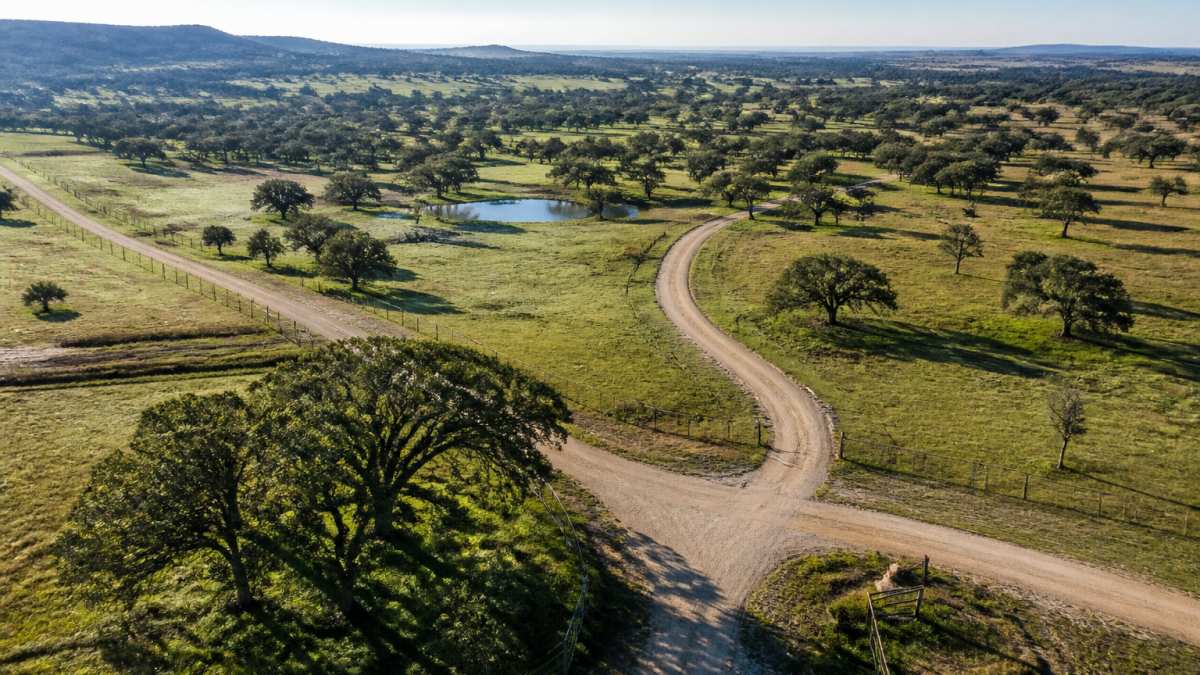
Buying investment acreage without thorough due diligence leads to unusable properties. Rural character means fewer public records and more hidden problems than suburban real estate.
Water Access and Live Water Verification
Water is the most valuable asset on rural property. Live water can increase value 50% or more.
Verify water access in writing with professional assessment.
Test wells for flow rate, water quality, and depth. Shallow wells are drought-vulnerable; low-flow wells won't support livestock or irrigation.
Water rights are separate from water access. Downstream rights holders, irrigation districts, and state law can limit your ability to use water.
Septic Systems, Utilities, and Buildability
Rural property relies on septic systems. Have a feasibility study completed, soil composition, water table depth, and lot size determine viability.
Shallow limestone bedrock, high water tables, or poor drainage can make septic infeasible. Properties that look buildable might legally prohibit septic systems.
Utilities may not reach rural acreage. Verify availability and extension costs before assuming buildability.
County zoning and setback requirements restrict building. A 20-acre parcel might allow only one structure. Understand restrictions before buying.
Title, Easements, and Legal Constraints
Rural property often carries easements that restrict use and reduce value. Utility, agricultural, and conservation easements all limit your rights.
Complete a title search and review carefully for easements, liens, and restrictions.
Mineral rights are separate from surface rights. Severed mineral rights allow others to drill for oil or gas, potentially disrupting your use.
Connect with Monica Allison now. →
Conservation easements permanently restrict development and reduce taxes. Understand all easements before buying.
Evaluating Business Potential of Ranch Land
Ranch value depends on income potential.
Evaluate grazing capacity by assessing forage quality and rainfall. Hill Country typically supports 1-3 acres per animal unit.
Hunting lease potential depends on wildlife habitat and proximity to population centers.
Agricultural operations require infrastructure, expertise, and market access. Calculate operational costs before assuming income will offset taxes and debt service.
Successful investors match property capabilities to specific use cases.
Ranch Land Investment Returns and Financial Planning
Agricultural Exemptions and Property Tax Benefits
Agricultural exemptions reduce property tax liability substantially, sometimes by 50% or more compared to market-value assessment. To qualify, the property must generate agricultural income and meet the state's working land requirements.
The exemption requires documented use and income. You can't claim the exemption and then leave the property idle.
For investors planning long-term ownership, agricultural exemptions are a significant financial advantage. They reduce annual carrying costs and improve overall returns.
Financing, Closing Costs, and Ownership Expenses
Rural land financing is more challenging than residential mortgage lending. Many lenders require larger down payments (25-30%) and charge higher interest rates for raw or remote acreage.
Annual ownership expenses include property taxes, insurance, and land management.
Land management expenses, brush clearing, fence repair, road maintenance, can be substantial on working ranches.
Calculate your true cost of ownership before committing capital.
Location Matters: Regional Market Differences and Growth Areas
The Hill Country isn't monolithic.
Proximity to population centers drives appreciation. Acreage within 30 minutes of San Antonio or Austin appreciates faster than equally beautiful acreage 90 minutes away.
Water availability varies dramatically by location. Some areas have reliable springs and surface water.
County-by-county differences matter. Property tax rates, agricultural exemption rules, and zoning regulations vary by county.
Growth areas, places where population is increasing and development pressure is rising, appreciate faster than stable or declining areas.
Common Mistakes and Risk Scenarios to Avoid
The most common mistake is buying acreage without a clear use case.
Another frequent error is underestimating carrying costs. Property taxes, insurance, and maintenance add up quickly.
Overestimating income potential is also common.
Water-related surprises destroy more rural investments than any other factor.
Financing risk is often overlooked.
Monica Allison, realtor understands the Hill Country's ranch and rural land market from the ground level.
Frequently Asked Questions
What is the average price per acre in Texas Hill Country?
Land prices in the Texas Hill Country vary significantly by location, property type, and amenities. Raw land typically costs less per acre than improved acreage with structures or water access. Prices depend on proximity to towns like Fredericksburg, water availability, terrain, and development potential. Comparable properties in your specific county and tract size are the best price indicators. Work with a local agent familiar with current market trends to understand what similar acreage is selling for in your target area.
What should I check before buying investment acreage in the Texas Hill Country?
Perform a comprehensive due diligence checklist: verify water access and live water sources, confirm septic system functionality and buildability, review the title for easements and restrictions, check agricultural exemption eligibility, inspect road access and utilities, and assess flood risk and environmental constraints. Have a surveyor verify property lines and a title company search for liens or legal issues. Understand local zoning and development regulations. These steps prevent costly surprises after purchase and protect your investment.
How do I evaluate the investment potential of ranch land?
Assess income-generating capacity: can the property support livestock, hay production, hunting leases, or agritourism? Calculate potential revenue against operating costs, including feed, maintenance, and labor. Review agricultural exemption eligibility, which can significantly reduce property taxes. Analyze long-term appreciation based on local demand and growth trends. Compare the property's financial return to alternative investments. Consider whether the land suits your personal use (hunting, recreation) or is purely a financial play. Professional appraisals and local market analysis inform realistic return projections.
What financing and ownership costs should I budget for when buying rural acreage?
Beyond the purchase price, budget for closing costs (typically 2-5% of the sale price), property taxes, insurance, and maintenance. Rural acreage may require septic system repairs, well maintenance, road upkeep, and fencing. Agricultural properties have additional operating expenses: feed, equipment, veterinary care, and labor. Financing terms for raw land often require larger down payments and higher interest rates than residential mortgages. Property tax varies by county and use; agricultural exemptions can reduce taxes significantly if you qualify. Work with a lender experienced in rural land to understand your total cost of ownership.
What investment returns can I realistically expect from ranch land in the Texas Hill Country?
Returns depend on property use and market conditions. Long-term appreciation of 2-4% annually is typical for rural land in growth areas. Income-generating properties (hunting leases, livestock operations, agritourism) can produce 3-8% annual returns, depending on operational efficiency and local demand. Agricultural exemptions reduce property tax burden, improving net returns. However, returns are not guaranteed; undeveloped land generates no income until developed or leased. Evaluate comparable property sales and local market trends to project realistic returns for your specific property and use case.
How do water access and terrain affect land value in the Texas Hill Country?
Live water significantly increases land value and usability. Properties with springs, creeks, or reliable wells command premium prices and attract buyers for ranching, recreation, and development. Terrain affects buildability and operational use; level land costs more than steep, rocky terrain. Road access is critical; properties with direct county road frontage are worth more than landlocked tracts. Flood risk, soil quality, and tree coverage also influence value. Water rights and easements must be verified; unclear water access can reduce investment potential considerably.
What are the biggest risks when investing in undeveloped land in the Texas Hill Country?
Common risks include unclear water rights, hidden title issues, poor access to utilities or roads, unforeseen environmental constraints, and zoning restrictions that prevent your intended use. Market downturns can reduce appreciation or make the property difficult to sell. Unexpected maintenance costs (road repair, fencing, invasive species management) erode returns. Liquidity is lower than residential real estate; selling may take longer and require price reductions. Inadequate due diligence can result in purchasing land unsuitable for your goals. Mitigate these risks through thorough inspections, title searches, and consultation with local experts.
Can I get an agricultural exemption on Texas Hill Country acreage to reduce property taxes?
Yes, if your land qualifies. Texas offers agricultural exemptions that can significantly reduce property taxes on land used for livestock, crop production, wildlife management, or timber production. The property must meet minimum acreage requirements (typically 5-10 acres, depending on county) and generate a threshold level of agricultural income. Recreational properties used primarily for hunting or personal use may qualify under wildlife management exemptions. Exemption eligibility and requirements vary by county. Consult with your county appraisal district or a local agent to determine if your property qualifies and how to apply.