 How-to
How to Buy Recreational Land Near San Antonio
Table of Contents
- Understanding the Recreational Land Market Near San Antonio
- Step 1: Define Your Property Goals and Budget
- Step 2: Search and Filter Listings for Recreational Property
- Evaluating Hunting Land for Sale Near San Antonio
- Assessing Land With Water Near San Antonio
- Recreational Property Due Diligence: Legal and Title Checks
- Step 3: Inspect, Negotiate, and Close on Your Land
- Frequently Asked Questions
Last Updated: October 9, 2026
Understanding the Recreational Land Market Near San Antonio
Most pages when you buy recreational land near san antonio are listing directories: a map, a filter bar, and a grid of parcels with asking prices. That tells you almost nothing about how recreational land is valued, taxed, or regulated in the counties surrounding the city.
What actually drives price per acre. Recreational parcels aren't priced like homes. Land value is a stack of separable attributes:
- Access. A parcel with paved or well-maintained county road frontage sells at a premium over a parcel reached by a deeded easement across someone else's land. Legal, year-round access is the single most common deal-killer in rural transactions.
- Water. A live creek, a stock tank that holds water through summer, or a permitted, producing well changes the calculus more than almost any other feature. Dry parcels trade at a discount because the buyer inherits the cost and uncertainty of developing water.
- Terrain and cover. Rolling terrain with a mix of open pasture and dense brush supports more wildlife than a flat, cleared field. Buyers hunting deer or hogs pay for habitat structure, not just acreage.
- Frontage and shape. A long, narrow parcel with a single access point is harder to use and hunt safely than a square parcel with road frontage on two sides. Shape affects usable acreage even when the total is identical.
- Improvements. Fencing, a cabin, a barn, electricity, and a gate are capital the seller already spent. You pay for them, but you avoid the time and permitting friction of building them yourself.
How distance and county shape the market. Parcels inside the metro fringe trade at a steep premium because they can double as a homesite. Push outward into surrounding rural counties and price per acre falls while average tract size rises.
The tax angle most buyers miss. Rural Texas land is often appraised under an agricultural or open-space valuation rather than at full market value (Agricultural, Timberland and Wildlife Management Use Special Appraisal). That's a use-based designation, not a permanent right.
A low asking price per acre on a parcel carrying an agricultural valuation can be misleading. If the qualifying use ends when you take ownership, your effective annual tax bill, and possibly a rollback charge, can be far higher than the listing implies. Always verify the current appraisal status and the qualifying activity before you rely on the seller's stated tax figure.
Why this market behaves differently from residential real estate. There's no MLS-standardized disclosure regime for raw land.
If you want to see how these factors translate into actual inventory, when you buy recreational land near san antonio, read each listing against the checklist above rather than against the asking price alone.
County appraisal district property search and agricultural valuation rules
Step 1: Define Your Property Goals and Budget
Before you search listings, clarify what you want the land to do. A hunting property requires different features than a weekend retreat or an equestrian property. List your primary use: hunting deer, upland game, or waterfowl; a cabin for seasonal use; or horse-friendly terrain. Each use case points toward different acreage requirements and features.
Next, establish a realistic budget. Prices vary widely by acreage, location, and amenities, and properties minutes from San Antonio command higher per-acre costs than remote parcels deeper in surrounding counties. Factor in carrying costs too: property taxes, insurance, maintenance, and utilities. A 50-acre parcel with no water or utilities costs less upfront but may require significant investment to make it usable; a smaller lot with existing access and infrastructure costs more initially but requires less development.
Step 2: Search and Filter Listings for Recreational Property
Modern listing platforms filter by acreage, price per acre, county, and features. When searching for recreational land near San Antonio, use these filters strategically. Hunting land typically needs a minimum of 10-20 acres to support habitat and safe shooting; smaller lots work for weekend recreation or camping, while 50 acres and up offers more privacy and multiple uses.
Distance from San Antonio matters. Properties within 30 minutes of the city cost more per acre but offer easier access. Land 45 minutes or farther away may provide better value and more wildlife potential, especially in Gonzales County and surrounding areas. Review photos carefully: good listings show terrain, vegetation, water features, and access roads, and favor photos taken across different seasons.
Filter by amenities: water access, existing structures, fencing, and road frontage. These add value and reduce development costs, a property with a well or creek access saves thousands over one requiring drilling or water hauling.
Evaluating Hunting Land for Sale Near San Antonio
Hunting ground is evaluated differently from general recreational acreage. The question isn't "is this nice land", it's "can I legally and safely take the species I want here, and will they keep coming back."
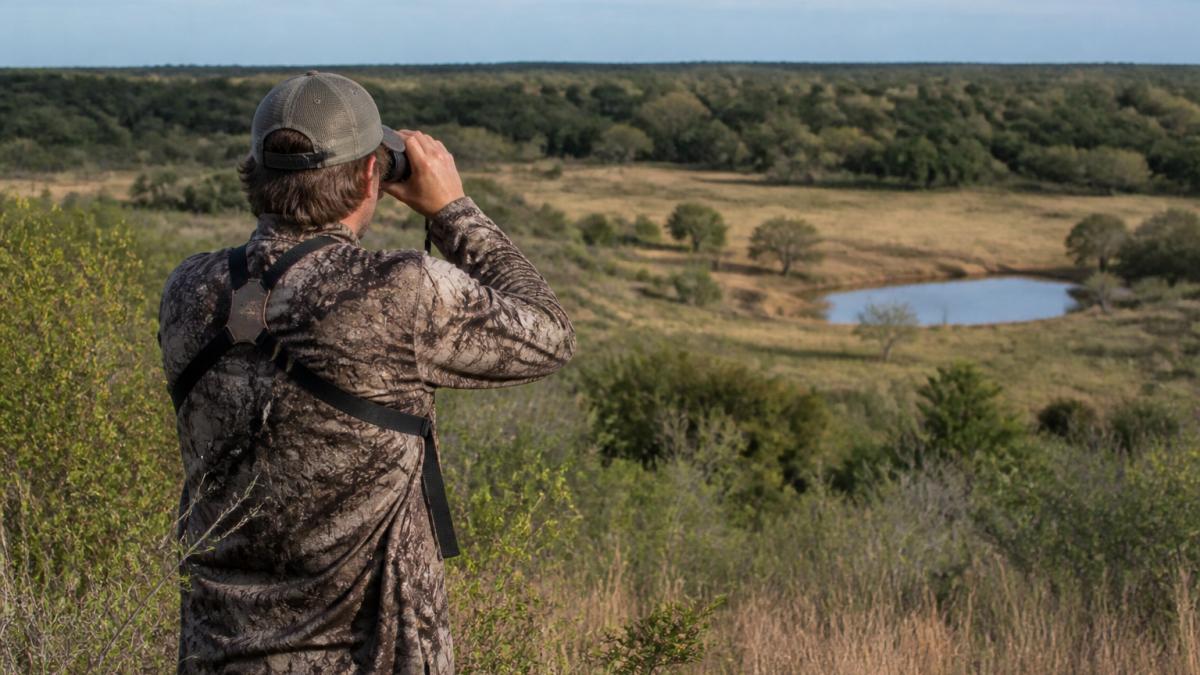
Start with habitat structure, not acreage. Deer and hogs need food, cover, and water in proximity. A parcel with all three holds animals; one with only one won't, no matter how large. On a walkthrough, look for:
- Edge and transition zones. The boundary between dense brush and open pasture is where most wildlife activity concentrates. A parcel that is 100% thicket or 100% cleared field is less productive than one with a mosaic.
- Mast-producing trees. Oaks and similar hardwoods drop acorns in fall and draw deer from surrounding properties. Identify the dominant tree species before you assume the habitat is good.
- Bedding cover. Dense, undisturbed brush thickets that a hunter can't easily walk through are where deer bed. If the entire parcel is walkable and open, it offers little sanctuary.
- Water. A reliable stock tank, creek, or pond within the parcel, or immediately adjacent, is a major draw. Verify it holds water in late summer, not just after spring rains.
Know the rules before you buy, not after. Hunting regulations in Texas are administered by Texas Parks and Wildlife Department and vary by species, county, and even by property type. Confirm for the specific parcel:
- Season dates and bag limits for your target species in that county.
- Legal means and methods, some areas or property types restrict certain firearms or hunting methods.
- Whether the land qualifies for any special season or permit program, and what the parcel must contain to qualify.
- Any deed restriction or county regulation that limits hunting, shooting, or commercial hunting activity. A restrictive covenant prohibiting hunting survives the sale and binds you.
Ask the seller for a written history of what's been harvested on the parcel and under what program, if any. A parcel that has been actively managed for wildlife for years is worth more than an identical parcel that has been grazed hard or left fallow, and the difference won't show up in the listing photos.
Match the parcel to your method. A rifle hunter sitting over a long sendero needs different terrain than a bowhunter stalking thick cover or a waterfowl hunter needing a flooded field. Confirm the parcel supports how you actually hunt, sight lines, prevailing wind, stand placement, and approach routes that don't spook game.
The overlooked cost: getting the land hunt-ready. A raw parcel with good habitat may still need cleared shooting lanes, an access road, a gate, feeder and stand placement, and possibly a food plot. Budget for that separately.
Texas Parks and Wildlife Department hunting regulations by county
Assessing Land With Water Near San Antonio
Water access dramatically increases recreational property value. Identify your water source. Properties may have wells, surface water (creeks, ponds), or both. A functioning well provides reliable water for livestock, cabins, or fire suppression; surface water offers habitat and fishing.
Connect with Monica Allison now. →
Test water quality and reliability. A well requires testing to confirm potability and yield. Surface water needs assessment for seasonal flow, pollution, and wildlife use. In dry years, creeks may run low or dry entirely.
Understand water rights. Texas water law is complex. Surface water belongs to the state; you hold a right to use it under specific conditions. Groundwater typically belongs to the landowner, but neighboring properties may have competing claims. A title search and water rights attorney review are essential before purchase.
Verify water infrastructure. Existing wells, tanks, and distribution systems add value. Evaluate their condition and capacity. A defunct well means drilling costs; a good well with proper equipment saves thousands.
Recreational Property Due Diligence: Legal and Title Checks
This is where most buyers stumble. Legal issues discovered after closing become your problem. Order a title search immediately. A title company reveals liens, easements, restrictions, and prior claims. Easements, rights others hold to cross or use your land, are common on rural property, and a utility or access easement may limit how you use it.
Review the property survey. An official survey shows exact boundaries, structures, and encroachments; neighbor disputes often stem from unclear boundaries. A survey costs a few hundred dollars and prevents thousands in future disputes.
Check for deed restrictions. Restrictive covenants may limit how you use the land: no hunting, no commercial activity, architectural standards. These restrictions survive ownership changes and bind future owners.
Verify no environmental liens or contamination. A Phase I environmental assessment identifies potential hazards. Rural property sometimes carries historical contamination from farming, ranching, or industrial use.
Confirm zoning and land-use classifications. Agricultural land may have tax advantages, but restrictions may apply. Verify that your intended use is permitted. Some areas have conservation easements that restrict development or resource extraction.
Step 3: Inspect, Negotiate, and Close on Your Land
Once you've identified a promising property, in-person inspection is non-negotiable. What looks good in photos may reveal problems on the ground.
Schedule a daylight walkthrough with a compass or GPS to verify boundaries against the survey.
Visit in different seasons if possible, land looks different in spring growth versus winter dormancy, and water flow, wildlife patterns, and access conditions change throughout the year.
Bring a professional inspector familiar with rural property. They'll identify structural issues, utility problems, and maintenance needs. Their report provides negotiating use if repairs are needed.
Once confident, make an offer. Rural land negotiations differ from residential deals, price per acre, acreage, and specific features drive offers.
Inspection contingencies protect you. Include time to conduct well testing, environmental review, and title verification.
Closing involves title transfer, deed recording, and funding. Work with a title company and attorney to ensure proper documentation. Verify that all contingencies are satisfied before funding.
Buying recreational land near San Antonio requires patience and careful evaluation. The right property, matching your goals, budget, and intended use, offers years of enjoyment and potential investment value.
At Monica Allison, realtor, we specialize in helping buyers navigate this process.
Frequently Asked Questions
Where can I find recreational land listings for sale near San Antonio?
Recreational property listings appear on major real estate platforms, county property records, and through local agents who specialize in ranch and land sales. Search filters for acreage, lot size, and property type help narrow results. Working with an agent familiar with Bexar County and surrounding areas gives you access to off-market listings and properties in remote locations that may not appear online immediately.
What should I check about water and utilities before buying land near San Antonio?
Verify water access through existing wells, surface water rights, or municipal availability. Check septic system feasibility with a soil test and percolation study. Confirm electrical service distance and cost. Request utility easements and restrictions in writing. For hunting land or ranch property, water resources directly affect wildlife potential and agricultural utility, making this due diligence critical before closing.
How do I verify mineral rights and easements on recreational property?
Order a title search and survey from a title company to reveal easements, mineral rights, and deed restrictions. Check county records for public easements (utility, road, water). Ask the seller directly about any agreements affecting the property. These issues can limit your use or create unexpected costs, so clarifying them during due diligence protects your investment before you sign.
Can I hunt on recreational land I buy near San Antonio?
Hunting rights depend on the deed, local regulations, and property size. Some parcels include hunting rights; others have restrictions. Verify hunting seasons and bag limits with Texas Parks and Wildlife Department. Check whether the property is zoned for hunting or if neighbors have shared hunting agreements. Confirm no easements prevent hunting access. This is essential when evaluating hunting land for sale near San Antonio.