 Ultimate guide
Buying Hunting Property in Edwards County: 2026 Guide
Table of Contents
- Edwards County Hunting Property: What Buyers Find in Rocksprings and Telegraph
- Acreage, Asking Prices, and Price Per Acre in Edwards County
- How to Evaluate Hunting Land for Game Species and Habitat
- Hunting Property Due Diligence Checklist for Edwards County
- Rural Land Access and Easements: Roads, Trails, and Property Access
- Water Features, Utilities, and Ranch Improvements to Inspect
- Total Ownership Costs, Financing, and Wildlife Management Exemption
- Buying Hunting Property in Edwards County: Your Next Step
- Frequently Asked Questions
Last Updated: October 16, 2026
Edwards County Hunting Property: What Buyers Find in Rocksprings and Telegraph
Buying hunting property in Edwards County means shopping a market where acreage, water, and game habitat decide value, and where listings cluster around Rocksprings and the small community of Telegraph.
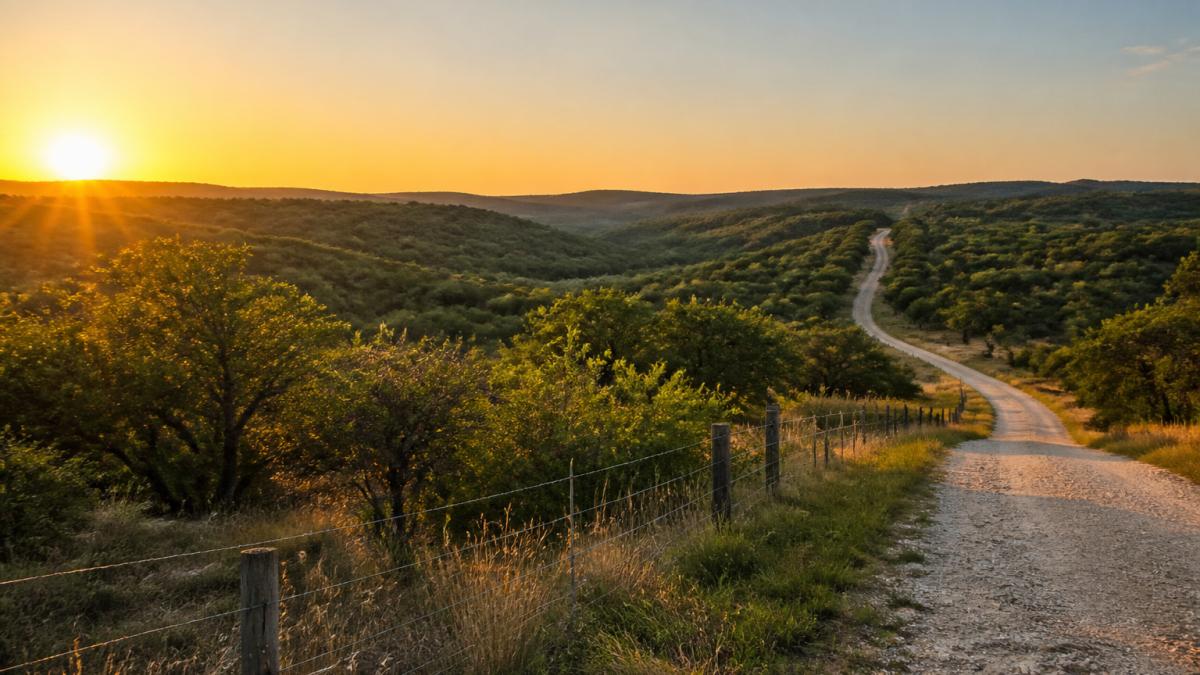
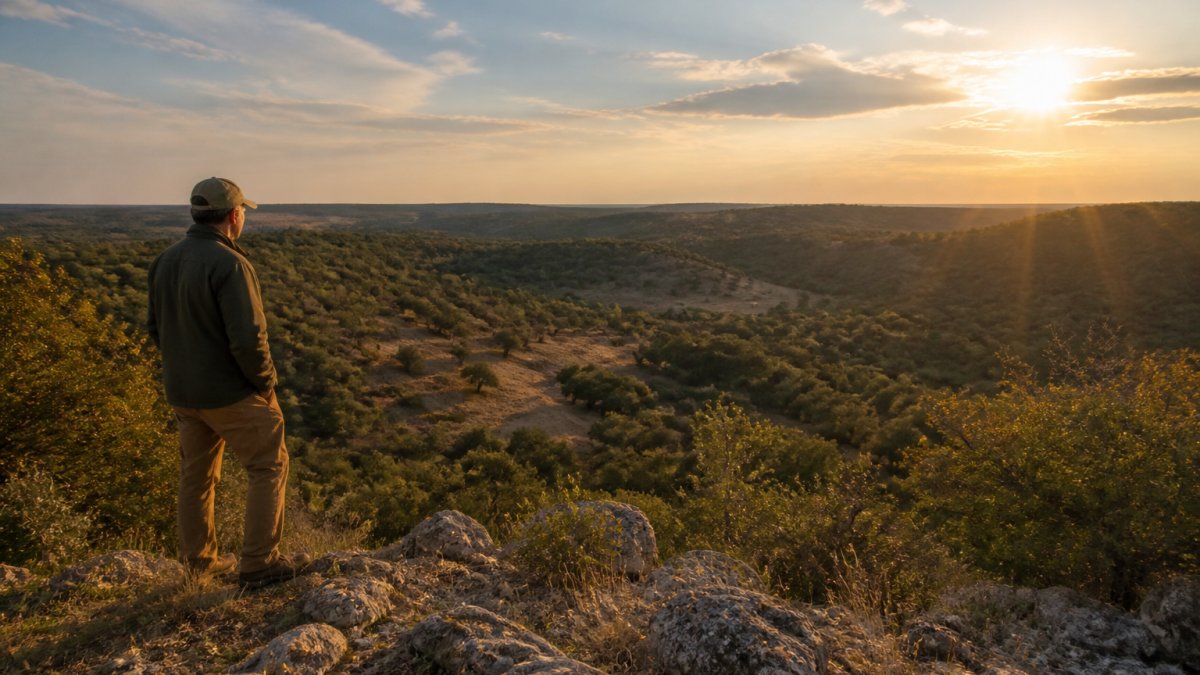
Edwards County sits on the Edwards Plateau, a landscape of limestone hills, live oak, and juniper that supports white-tailed deer, axis deer, blackbuck, and other exotic wildlife.
What most first-time buyers miss is that two ranches of identical size five miles apart can differ dramatically in value once you account for water, access, and habitat quality.
Acreage, Asking Prices, and Price Per Acre in Edwards County
Asking prices here track three variables more than any other: acreage, water, and whether the land is high-fenced. Price per acre is the number to watch because it normalizes listings of very different sizes, a 40-acre tract and a 400-acre ranch are not comparable until you divide.
A common pattern among buyers is to sort listings by price per acre first, then filter by the features that matter to them.
How to Build Your Own Price-Per-Acre Benchmark
Listing sites show asking prices, not sale prices, and asking prices in rural markets can sit for months without a single offer. To get closer to reality:
- Pull the tax appraisal district record for each candidate property and note the appraised value, not the list price. Appraised value reflects the district's view of the land, not the seller's.
- Ask a local agent for recent closed sales on comparable tracts, same general area, similar acreage band, similar water and access. Closed sales are the only honest comps.
- Adjust for the features that do not appear in the headline number: high fence, improved roads, a working well, a cabin, and whether the wildlife management exemption is already in place.
- Compare the adjusted per-acre figure across at least three properties before you make an offer on any one of them.
Reading a Listing: Photos, Lot Size, and Property Details
Listing photos tell you less than the lot size and legal description. Aerial photos can hide poor interior access; ground-level photos rarely show fence condition along the entire perimeter.
Pay attention to how the acreage is described. A tract listed as "40 acres more or less" is a different proposition than one with a current survey showing 40.12 acres with metes and bounds.
Why the Tax Picture Changes the Effective Price
Two properties with the same asking price can have very different carrying costs depending on how the land is taxed. Land under an agricultural or wildlife management valuation is taxed on its productive value rather than its market value, which can be a fraction of the market figure. If a property is currently taxed that way, confirm the exemption will transfer and what documentation the new owner must file to keep it.
How to Evaluate Hunting Land for Game Species and Habitat
Evaluating hunting land comes down to habitat, water, and pressure. White-tailed deer, axis deer, and blackbuck all need cover, forage, and dependable water, and a property that lacks any one of those will underperform no matter how it photographs.
Walk the property if you can. Look for browse lines, bedding cover, and signs of recent game movement. Ask how the current owner has managed hunting pressure, because a property hunted hard for years takes time to recover.
- Cover: dense brush and oak motts for bedding
- Forage: native grasses and browse, plus any food plots
- Water: ponds, troughs, or reliable streams
Hunting Property Due Diligence Checklist for Edwards County
Due diligence on rural land is where deals are saved or lost. Unlike a house purchase, there is no standard inspection regime for raw acreage, you assemble the review yourself, and the contingency period is your only protection. The checklist below walks through what each item actually requires, who produces it, and what a red flag looks like.
The Step-by-Step Buying Process
Most buyers move through the same sequence:
- Make an offer with a due diligence period. Rural land contracts typically include a defined window, often 30 to 60 days, during which you can terminate for any reason. Negotiate that window before you sign, not after.
- Open title. The title company issues a commitment listing the current owner, liens, and every recorded exception. Read the exception list line by line; that is where easements, mineral severances, and restrictions hide.
- Order a new survey. Do not rely on the seller's old survey unless it is recent and the fence lines match it. A new survey is your best protection against boundary surprises.
- Inspect the land in person. Walk the perimeter, check the fences, find the water, and drive every access route.
- Verify access, water, and minerals. These three items cause the most post-closing disputes.
- Confirm financing and close. Rural land loans often require larger down payments and longer underwriting than home loans, so start the lender conversation early.
What Each Checklist Item Actually Means
- Title search and title commitment reviewed, The commitment lists every recorded exception. Look specifically for easements, rights-of-way, mineral reservations, and deed restrictions. Ask the title company to explain anything you do not understand.
- Current survey compared against fence lines, A survey shows where the deed says the lines are. Fences show where someone built them. When they disagree, you have a boundary problem, and it becomes yours at closing.
- Water rights and any groundwater permits confirmed, In much of the state, groundwater is governed by local groundwater conservation districts. Confirm whether the property sits in one, whether a permit exists for any well, and what the permit allows.
Texas Parks and Wildlife Department landowner resources outlines habitat and wildlife management programs that can affect both hunting quality and tax treatment.
Rural Land Access and Easements: Roads, Trails, and Property Access
Rural land access and easements are the single most common source of post-closing disputes. A property can be beautiful, well-watered, and loaded with game, and still be nearly unusable if the only way in crosses a neighbor's land without a recorded easement.
Confirm that access is deeded and recorded, not a handshake arrangement between families. Ask whether the road is maintained by a property owners' association, a road maintenance agreement, or no one at all.
Connect with Monica Allison now. →
Water Features, Utilities, and Ranch Improvements to Inspect
Water features and utilities determine what you can actually do with the land. Ponds, troughs, and wells support wildlife and livestock; without them, you are trucking water and limiting your options.
Inspect every improvement with the same skepticism you would apply to a house. Fences, gates, corrals, barns, and any hunting blinds or feeders should be checked for condition and for whether they stay with the property.
| Feature | What to Check | Why It Matters |
|---|---|---|
| Ponds and tanks | Depth, liner, seasonal reliability | Wildlife water source |
| Wells | Yield, pump condition, permits | Livestock and cabin use |
| Fencing | Condition, high-fence vs low-fence | Game management, livestock |
| Roads and trails | Surface, drainage, maintenance | Year-round access |
| Utilities | Electric, internet, septic | Habitability, resale |
Total Ownership Costs, Financing, and Wildlife Management Exemption
Total ownership costs go well beyond the purchase price. Budget for property taxes, insurance, fence and road maintenance, water system upkeep, and any wildlife or livestock expenses.
The wildlife management exemption is worth understanding early. Texas allows landowners who meet specific wildlife management requirements to qualify for an agricultural valuation on their property, which can meaningfully change the tax picture.
Texas Comptroller guidelines on agricultural and wildlife management valuation explains how the exemption works and what documentation landowners must maintain.
Buying Hunting Property in Edwards County: Your Next Step
The challenge with buying hunting property in Edwards County is not finding listings. It is knowing which of two similar-looking ranches is the better buy, and catching the access, water, or title problem before it becomes yours.
That is where Monica Allison, realtor comes in. As a Texas Hill Country realtor working both the farm and ranch side and residential real estate, Monica helps buyers evaluate acreage, water rights, mineral rights, and habitat, and helps sellers position ranch and recreational property for the right buyer.
Connect with Monica Allison now to start your Edwards County land search with someone who reads the fine print before you sign it.
Frequently Asked Questions
What should I look for when buying hunting property in Edwards County?
Start with the land itself: acreage, habitat, and water. Edwards County sits in the Edwards Plateau, so expect live oak, juniper, and draws that hold white-tailed deer, axis deer, and blackbuck. Check whether the property is high-fenced or low-fenced, confirm a legal access route, and pull well and septic records. Asking price per acre varies widely by improvements, water, and game, so compare several listings before you make an offer.
How do I evaluate wildlife habitat on a hunting property?
Walk the land and look for cover, food, and water in close proximity. Native browse, mast-producing oaks, and brushy draws matter more than a single food plot. Ask the seller for harvest records or trail camera history if they have it, and check whether neighbors manage for age structure. A property enrolled in a wildlife management exemption signals the owner has been actively managing habitat, which is a useful signal when you evaluate hunting land.
What questions should I ask before buying a ranch in Edwards County?
Ask about water rights, mineral rights, and whether either has been severed from the surface. Confirm the boundary lines with a survey, not just the listing map. Ask about easements, fences, and any shared roads. Request the last few years of property tax statements, and ask whether the property carries a wildlife management exemption or agricultural valuation. Finally, ask what game species are actually on the land and how the current owner hunts it.
How can I verify property boundaries and access before purchasing land?
Order a new survey or review the most recent one the seller has. Surveys confirm acreage and identify encroachments, fence-line disputes, and gaps between the deed and what is fenced. For access, trace the legal route from a public road to the property line and confirm whether it runs across a private easement. If access depends on a neighbor's gate or road, get the easement in writing and have a title company review it before you close.
What utilities and improvements should I check on rural hunting land?
Check the well, septic system, and power. Some Edwards County tracts have a working well and rural electric service; others rely on a shared well, a cistern, or a generator. Ask when the well was last tested and how many gallons per minute it produces. Inspect any cabin, barn, or hunting blind for condition and permitting. Also confirm whether the property has ponds or tanks that hold water year-round, because that affects both wildlife and livestock use.
What costs should I budget for when buying recreational land?
Beyond the purchase price, budget for a survey, title insurance, and an appraisal if you are financing. Expect ongoing costs for property taxes, insurance on rural land, fence and road maintenance, and any wildlife or livestock management. If you plan to add a cabin, well, or pond, get local quotes before you commit. Financing for raw land often requires a larger down payment than a home loan, so confirm terms with your lender early.
How do I compare hunting land listings in Edwards County?
Build a simple comparison sheet with columns for acreage, asking price, price per acre, water, fencing, access, and game species. Then rank each listing on the factors you cannot change: location, access, and water. Improvements, blinds, and feeders can be added later, but a bad access route or no water is hard to fix. A local agent who knows Rocksprings and Telegraph can flag listings that look good online but fall apart in person.