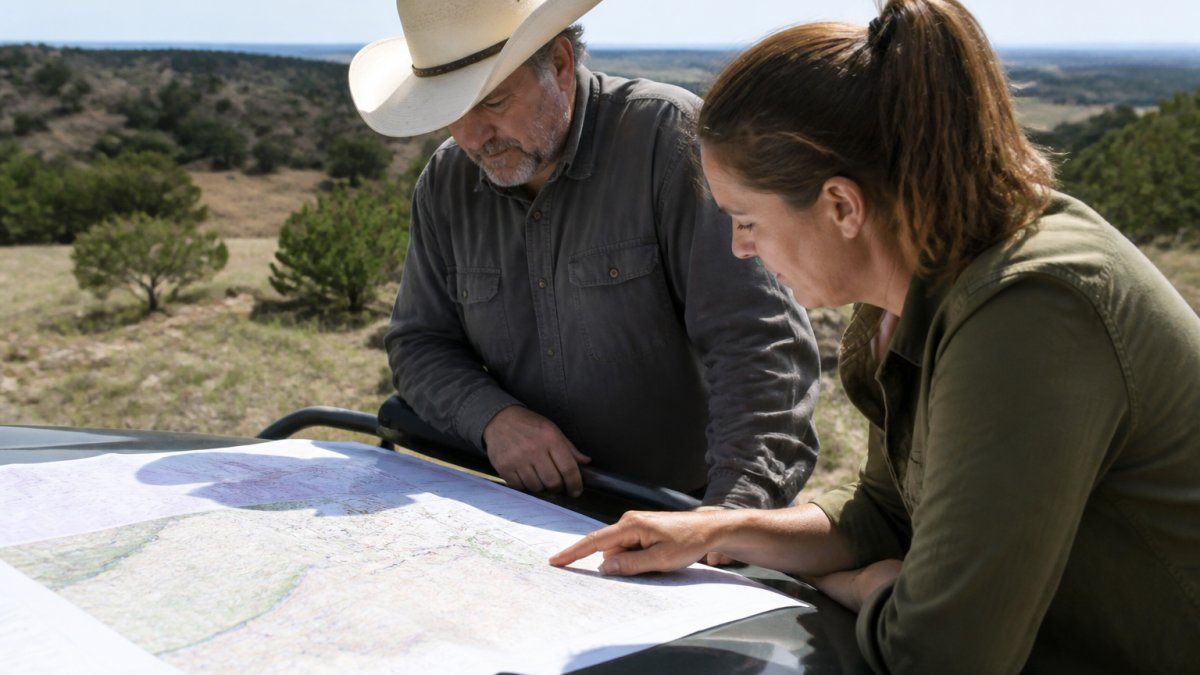
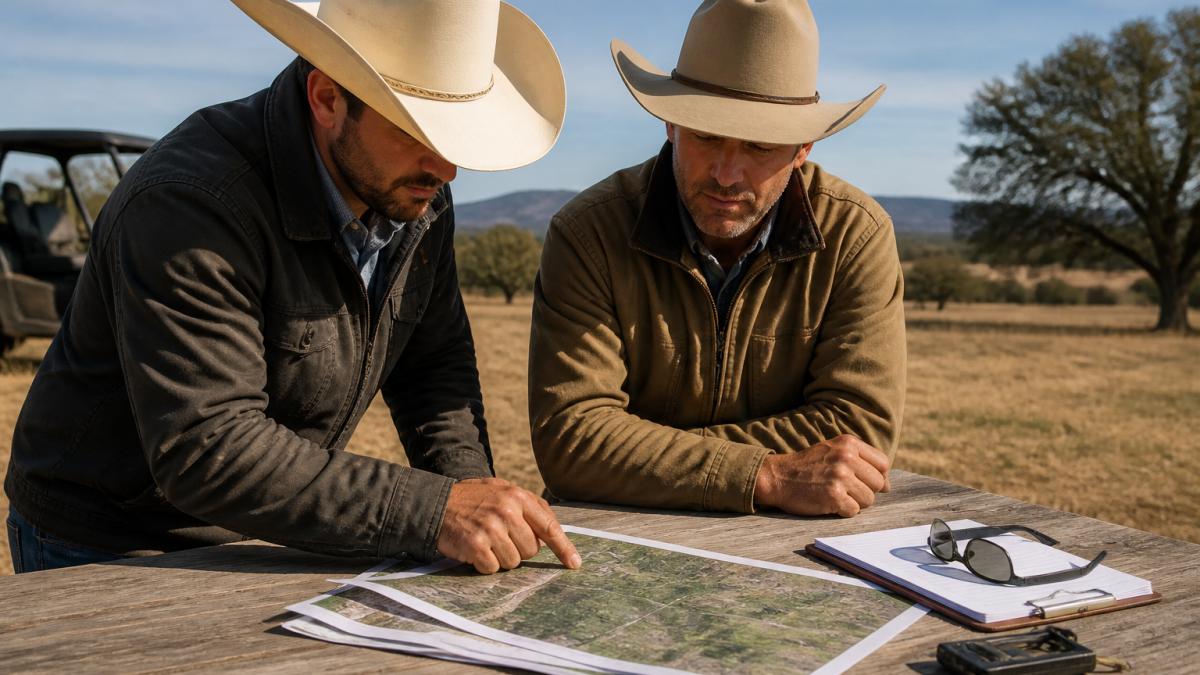
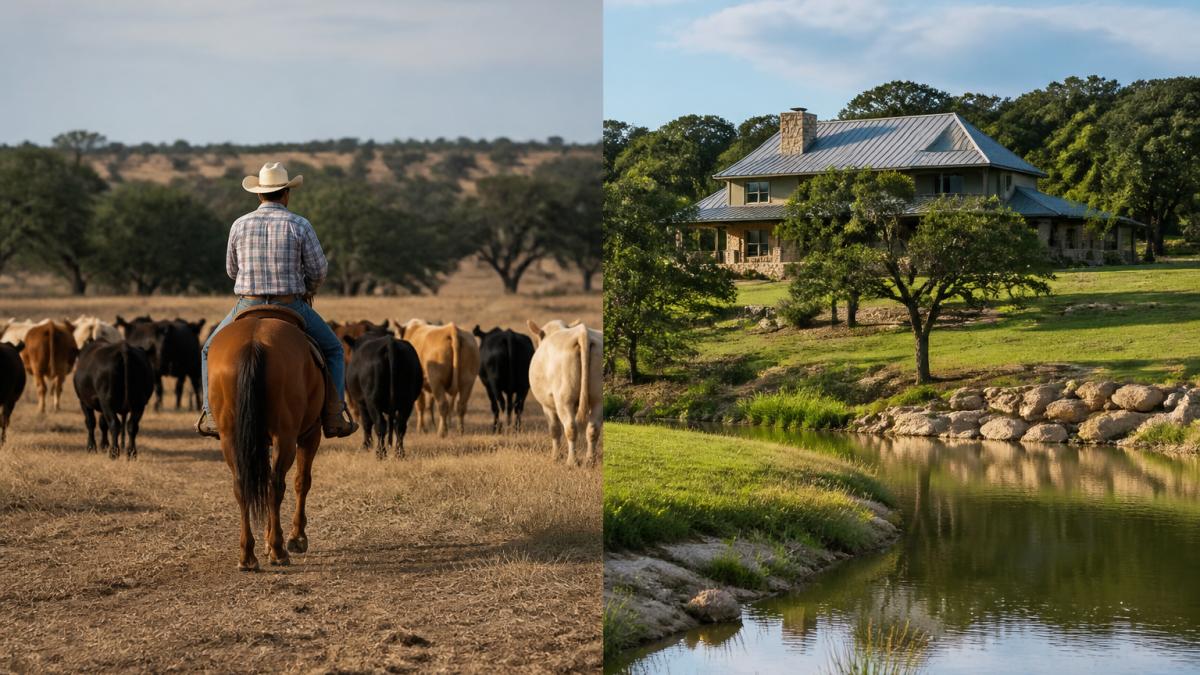
 comparison
Working vs Recreational Ranches: Choose Right
Table of Contents
- Working Ranch vs Recreational Ranch: Core Definitions
- Key Differences in Guest Experience and Daily Operations
- Ranch Land Management Strategies for Each Type
- Agricultural Tax Exemption Requirements and Financial Impact
- Ranch Investment Profitability: What to Expect
- Physical Fitness and Skill Requirements
- Seasonal Considerations and Long-Term Commitment
- Making Your Decision: Which Ranch Type Fits Your Goals
- Frequently Asked Questions
Last Updated: September 30, 2026
Working Ranch vs Recreational Ranch: Core Definitions
When comparing working vs recreational ranches, a working ranch is a property operated primarily for livestock production, agricultural operations, or land stewardship as a business enterprise, while a recreational ranch is a property purchased mainly for vacation experiences, weekend getaways, or lifestyle enjoyment, with limited or no commercial agricultural focus. The distinction matters enormously when you're evaluating a purchase, because it determines everything from tax implications to daily operations to what your actual investment will require.
Working ranches generate revenue through cattle sales, hay production, hunting leases, or other agricultural income streams. Recreational ranches prioritize guest experience and amenities. Understanding which model aligns with your goals, finances, and commitment level is essential before you make an offer.
Key Differences in Guest Experience and Daily Operations
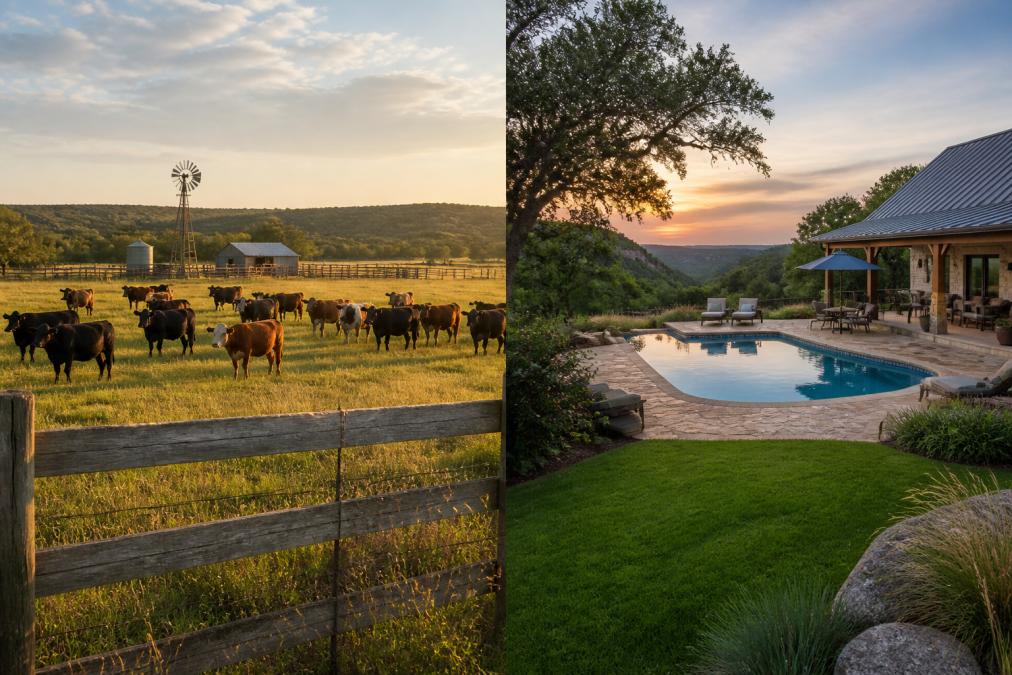
Working ranches prioritize livestock care, breeding cycles, veterinary needs, and seasonal tasks like branding or hay production. Guests, if any, adapt to ranch operations.
Recreational ranches prioritize comfortable accommodations, organized trail riding, structured activities, and amenities designed for guest enjoyment rather than production.
Working ranches require managing cattle herds, fencing, staff, and emergencies like animal illness. Recreational ranches require scheduling activities, managing reservations, ensuring guest safety, and maintaining property appearance.
Working ranches accommodate small groups of occasional visitors. Recreational ranches typically have 10-50 guest beds with structured booking calendars, requiring different infrastructure and staffing.
Ranch Land Management Strategies for Each Type
Working ranches emphasize livestock production and habitat management. Your land management strategy focuses on pasture rotation, water resource management, fencing maintenance, and vegetation control to support cattle or other livestock. You'll manage grazing patterns to prevent overgrazing, maintain water sources for animals, and coordinate with veterinarians on herd health.
Rotational grazing on working ranches improves soil health, reduces erosion, and supports native species, often qualifying properties for conservation easements or agricultural tax exemptions.
Recreational ranches prioritize landscape aesthetics and guest safety through scenic trail systems, well-maintained pastures, and organized wildlife viewing experiences.
Working ranches offset costs through agricultural income and tax benefits. Recreational ranches depend entirely on occupancy rates and pricing power.
Agricultural Tax Exemption Requirements and Financial Impact
Agricultural tax exemptions require documented agricultural income from livestock production, hay sales, hunting leases, or similar activities that demonstrate the property is operated as a business, not a hobby.
Recreational ranches typically do not qualify for agricultural exemptions and pay standard property taxes on full assessed value.
Agricultural exemptions can reduce annual property tax bills by 50-70%, potentially saving thousands annually on a 500-acre property, but require detailed records of agricultural income and land management activities.
Ranch Investment Profitability: What to Expect
Working ranch profitability depends on livestock prices, feed costs, and operational efficiency, with typical margins of 10-15% of gross revenue after costs, fluctuating with commodity prices and weather.
Many working ranches generate modest operational income; their primary value lies in land appreciation and tax benefits.
Recreational ranches with 20 guest beds at $200-300 per night can generate $150,000-$200,000 in peak-season revenue, but operational costs consume 40-60% of revenue. Profitability depends on consistent bookings and cost management.
Working ranches face commodity and weather risk; recreational ranches face occupancy and demand risk. Both require substantial upfront capital investment.
Physical Fitness and Skill Requirements
Working Ranch Physical Demands
Working ranch operations require sustained cardiovascular fitness and functional strength. A typical day involves 4-8 hours of horseback riding across varied terrain, managing cattle in open pasture, and manual labor including fencing repair, hay handling (50-80 pounds per bale), livestock loading, and equipment operation.
The first 2-3 weeks are physically exhausting if you're not conditioned. Experienced ranch hands sustain moderate exertion for 8+ hours; sedentary individuals should expect significant soreness during the first month.
Horseback riding skill must be intermediate to advanced, with 100-200 hours of saddle time required to work cattle independently. You need to handle unpredictable situations and ride safely in poor conditions.
Chronic knee, hip, or lower back issues will be aggravated by ranch work. Owners in their 60s and beyond typically have decades of conditioning and hire experienced staff to reduce personal workload.
Recreational Ranch Physical Demands
Recreational ranch physical demands vary by role. Office-based management requires minimal physical exertion. Personal trail guiding requires intermediate horsemanship and 4-6 hours daily riding on groomed trails at controlled paces.
Trail guides need 300+ hours of saddle time, patience, and the ability to assess guest skill levels and adjust routes. Physical demands are moderate, focused on safety rather than productivity.
Facility maintenance and repairs require similar manual labor as working ranches but on a reduced schedule. Many owners hire full-time staff to shift the physical burden away from ownership.
Connect with Monica Allison now. →
Skill Development Timeline
Developing working-level horsemanship requires 12-18 months of consistent riding; cattle-handling skills require an additional 6-12 months. Budget for hiring an experienced manager for the first 2-3 years if you lack ranching background.
Recreational ranch trail guide skills develop in 6-12 months, but managing guest operations requires separate business and hospitality skills.
Age and Physical Condition Considerations
Ranch ownership is fitness-restricted, not age-restricted. Working ranches require cardiovascular fitness and hired staff for demanding tasks. Recreational ranches allow minimal personal physical involvement with competent staff.
Arthritis, joint pain, or cardiovascular limitations make recreational ranches with hired staff more realistic than working ranches. Assess your physical baseline honestly.
Seasonal Considerations and Long-Term Commitment
Working Ranch Seasonal Calendar
Working ranches operate on a livestock-driven calendar that varies slightly by region and herd type, but follows a consistent pattern:
Spring (March-May): Calving requires daily monitoring and assistance. Branding (April-May) is a 2-5 day intensive event requiring 8-12 people. Pasture preparation includes fencing repair and cattle movement. Extended time off requires a full-time manager.
Summer (June-August): Pasture rotation, water maintenance, and hay harvest (3-4 weeks in June-July) dominate. Hay work requires 12-hour days if done personally, or contractor management if hired. Veterinary care continues. Summer is moderately demanding but more predictable than spring.
Fall (September-November): Weaning (2-3 weeks) requires close monitoring for illness. Pre-winter preparation includes fencing repair, feed stocking, and equipment servicing. Cattle marketing and logistics consume time in September-October.
Winter (December-February): Daily hay feeding (often twice daily), ice breaking, cold-stress monitoring, and facility management in snow and mud. Large herds require 2-4 hours daily feeding. No breaks, you're committed to daily animal care regardless of weather.
Working ranches with hired labor require 40-60 hours weekly year-round, with spring and summer pushing 60-80 hours. Without hired staff, expect 70-100+ hours weekly during peak seasons.
Recreational Ranch Seasonal Patterns
Recreational ranches have more flexibility, but seasonal patterns still drive operations:
Peak Season (May-September): Full or near-full occupancy requires coordinating daily activities, guiding trail rides, and maintaining facilities. 20 guest beds at 80% occupancy requires 4-6 staff members. Personal time is minimal.
Flexibility and Time-Off Constraints
Weather and Emergency Constraints
Long-Term Sustainability and Burnout
Making Your Decision: Which Ranch Type Fits Your Goals
Start with honest self-assessment. Are you primarily interested in agricultural operations and land stewardship, or in creating a guest experience and lifestyle business? Do you have ranching experience, or are you learning from scratch? Can you commit to year-round operations, or do you need seasonal flexibility?
Frequently Asked Questions
What is the difference between a working ranch and a recreational ranch?
A working ranch operates as an active agricultural business, generating income through livestock production, cattle drives, or other ranching operations. A recreational ranch prioritizes guest experience and lifestyle, with limited or no commercial livestock production. Working ranches demand hands-on management and agricultural expertise; recreational ranches focus on hospitality, trail riding, and immersive ranch experiences for visitors.
What are the primary tax differences between working and recreational ranches?
Working ranches may qualify for agricultural tax exemptions if they meet specific acreage and income thresholds set by state agricultural departments. These exemptions can significantly reduce property tax burden. Recreational ranches typically do not qualify for agricultural exemptions and are taxed as residential or commercial property. Consult a tax professional familiar with ranch properties to understand exemption eligibility for your specific situation.
Is owning a working ranch profitable as a part-time investment?
Part-time working ranch ownership is challenging. Livestock management, fencing maintenance, habitat management, and daily operations require consistent attention. Many part-time owners struggle with profitability due to labor costs and operational demands. Recreational ranches may offer better part-time viability if you hire experienced staff to manage guest experiences and property maintenance, though initial infrastructure investment is substantial.
What minimum acreage do I need for agricultural tax exemptions?
Agricultural tax exemption requirements vary by state and county. Generally, properties must be at least 5-10 acres and generate meaningful agricultural income, though some jurisdictions require larger acreage thresholds. Your county assessor's office can provide specific eligibility criteria. Working with a realtor experienced in ranch properties can help you understand local exemption rules before purchasing. Connect with Monica Allison now.
Choosing between a working ranch and a recreational ranch requires understanding not just the differences in operations, but the financial and personal commitments each demands. The wrong choice can result in significant losses and years of frustration. Connect with Monica Allison, realtor to evaluate specific properties and understand how they align with your goals, experience level, and long-term vision for ranch ownership.