 blog
Tips for Selling Ranch Property in Texas
Table of Contents
- Why Selling Ranch Property in Texas Requires a Specialist Approach
- How to Value a Ranch Before Listing
- Selling Ranch Land Checklist: What Buyers and Lenders Require
- Preparing Your Ranch Property for Sale
- Ranch Property Marketing: Reaching Qualified Buyers
- How Long Does It Take to Sell a Ranch
- Evaluating Offers and Negotiating Terms
- Frequently Asked Questions
Last Updated: October 18, 2026
Why Selling Ranch Property in Texas Requires a Specialist Approach
Selling ranch property is fundamentally different from selling a home. Most standard agents can't value agricultural land, navigate water rights documentation, or market to ranch buyers.
A residential agent sees acreage. A specialist sees water access, fencing, roads, wildlife habitat, and tax implications.
Selling ranch land in Texas involves legal and financial considerations that don't appear on suburban home sales.
How to Value a Ranch Before Listing
Ranch valuation is a framework, not a single number: separate market value from assessed value, then isolate the attributes that move price per acre. Sellers who understand it price accurately and defend their asking price with evidence.
Market Value vs. Assessed Value
These numbers are frequently confused and rarely equal. Assessed value is set by the county appraisal district for tax purposes and reflects agricultural or open-space classification, not what a buyer will pay. Market value is what a qualified, willing buyer will pay a willing seller in an arm's-length transaction. A ranch can carry a low assessed value and still command a premium for water, access, or hunting quality.
The Seven Value Drivers
Most ranch appraisers and specialist brokers weigh the same core attributes:
- Acreage and configuration. Larger contiguous tracts generally command a lower price per acre than smaller tracts, but a well-shaped, contiguous parcel with good interior roads beats a larger parcel split by a canyon or a highway. Usable acres matter more than gross acres.
- Location and access. Proximity to a major metro area, a paved farm-to-market road, and legal, deeded access all raise value. Landlocked acreage or access across a neighbor's property at the neighbor's pleasure is discounted heavily.
- Water. Live water (a creek, river, or spring), stock tanks, and reliable groundwater are often the single largest value multiplier. Document water rights, well yield, and any irrigation permits.
- Improvements. A functional home, barn, working pens, equipment sheds, and good interior roads add value, but over-improvements relative to the land's highest and best use can be a drag. Buyers pay for improvements that fit the use they intend.
- Fencing and infrastructure. Good perimeter fencing, cross-fencing, and maintained roads reduce a buyer's immediate capital outlay and support a higher price.
- Wildlife and recreation. Quality habitat, documented game, and hunting or recreational appeal broaden the buyer pool and can lift price per acre well above pure agricultural value.
- Comparable sales. The foundation. Pull actual closed sales, not list prices, for ranches sold in the last 12 to 24 months with similar acreage, water, access, and use. Adjust for differences in improvements and location.
Building a Defensible Price
Start with a per-acre range from closed comps, then adjust for each value driver. A ranch with live water and deeded access sits at the top of the comp range; a landlocked parcel with no water sits at the bottom. Show buyers the comps and adjustments, not just a number, that transparency shortens negotiations.
Selling Ranch Land Checklist: What Buyers and Lenders Require
Ranch buyers, cash or financed, need specific documentation before closing, and lenders especially require comprehensive property information. Starting early prevents delays and shows serious buyers you're organized.
Title and Ownership Documentation
Clear title is non-negotiable. Buyers need a current title report showing no undisclosed liens, claims, or encumbrances. Order a title search early to identify old liens, boundary disputes, or claims that need resolution before you list.
Gather your original deed and any amendments. If the property has been in your family for generations, there may be multiple deeds in the chain of title; organized documents speed the process.
Agricultural Exemption and Tax Records
If your property qualifies for agricultural exemption, document how it's classified and why.
Provide records showing active use for agriculture, wildlife management, or ranching to establish the basis for the current tax classification.
Understand rollback tax liability. In Texas, if land has been under agricultural exemption and the new owner changes the use, they may face rollback taxes (Agricultural, Timberland and Wildlife Management Use Special Appraisal).
Water Rights, Mineral Rights, and Easements
Water rights are often the most valuable and complicated aspect of ranch property. Document exactly what conveys: groundwater, surface water, creek or river rights, permits, or allocations.
If mineral rights are included in the sale, that's a major selling point. If you're retaining mineral rights, state that clearly.
Identify all easements, road, utility, and conservation, since each impacts how a buyer can use the land. List every easement and provide copies.
Preparing Your Ranch Property for Sale
First impressions matter, even on raw land. A maintained, accessible property attracts more serious buyers than a neglected one. Basic preparation signals the property is worth a buyer's time.
First Impressions and Access
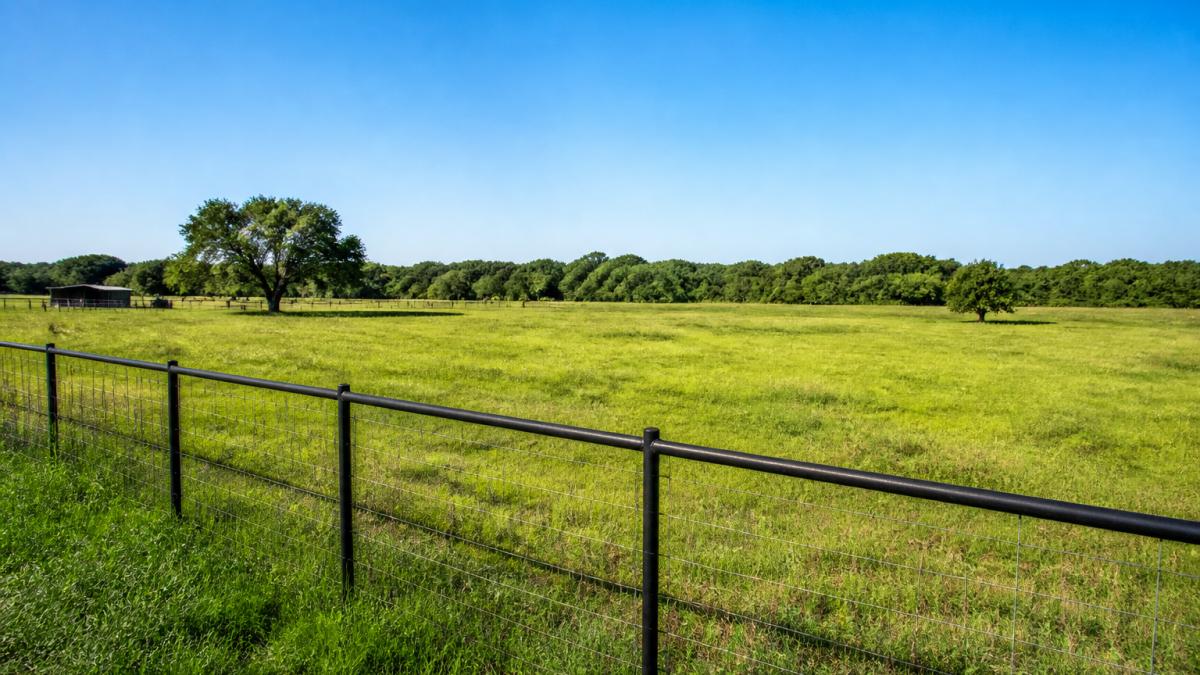
The entrance sets the tone. Clear brush and debris from the main gate and driveway, and fix a broken gate before showing.
Ensure roads and paths are passable: fill potholes, trim overhanging branches, remove fallen trees. If access requires crossing another property, clarify that arrangement in writing.
Mark property boundaries clearly if possible. Buyers want to know where their land begins and ends.
Fencing, Gates, and Road Systems
Fencing is one of the first things buyers evaluate. Broken or sagging lines suggest neglect and raise concerns about boundaries and wildlife management.
You don't need to rebuild everything, but address obvious problems: replace missing sections, fix broken gates, clear vegetation from fence lines. Maintained fencing demonstrates responsible stewardship.
Connect with Monica Allison now. →
Document road conditions and maintenance. If roads need work, be transparent, some buyers budget for improvements; others walk away. Honesty prevents problems later.
Highlighting Water, Wildlife, and Land Use
Water features are major selling points. If your property has a creek, pond, or spring, highlight it prominently. Photograph water sources and document water availability.
Document wildlife: keep records of deer sightings, bird species, or other game. Hunting and wildlife photography buyers specifically seek this information, and photos or video strengthen your marketing.
Clarify current and potential land use.
Ranch Property Marketing: Reaching Qualified Buyers
Ranch marketing is a targeting problem before it is a creative problem. Put the right assets in front of the three buyer segments that actually purchase land. Most listings fail because they market to everyone and reach no one.
The Marketing Asset Package
Assemble these before the listing goes live. Each asset answers a question a serious buyer will ask:
- Professional ground photography. Entrance, improvements, water features, fencing, and pasture condition. Shoot in good light and in the season that shows the property at its best.
- Aerial and drone imagery. Acreage, boundaries, road systems, and the relationship between pastures are far easier to show from the air than the ground.
- A property map and boundary overlay. A plat or survey-based map showing acreage, fences, gates, water, and access. Buyers and their lenders will ask for it.
- A short video walkthrough. A three-to-five minute narrated tour covering access, water, improvements, and the best features.
- Listing copy organized by use. Lead with the use the property best supports, then support it with acreage, water, fencing, wildlife, and tax status.
- A document packet. Deed, survey, tax records, ag exemption documentation, water rights, and easement copies, ready to send on request.
Targeting the Three Buyer Segments
- Recreational and hunting buyers. Lead with wildlife habitat, water, cover, and documented game. These buyers often pay a premium for quality habitat and will ask about hunting leases and neighboring pressure.
- Agricultural and ranching buyers. Lead with grazing capacity, fencing, water for livestock, working pens, and the ag exemption. They evaluate the property as a working operation and care about soil, grass, and water reliability.
- Investment and development buyers. Lead with location, access, acreage, and highest-and-best-use potential. They will ask about utilities, zoning or county regulations, and comparable sales.
Where to List
Use specialized farm and ranch platforms alongside general listing sites. Dedicated land marketplaces reach buyers actively searching for acreage, while general sites capture broader traffic. Your broker's own buyer network often produces strong leads.
Tracking Interest
Ask your broker how they measure interest: showing requests, document requests, and saved listings. High clicks with no showings usually means the price or lead message is off, not that the market is weak.
How Long Does It Take to Sell a Ranch
Selling ranch property typically takes longer than selling residential homes: the buyer pool is smaller, due diligence is more complex, and financing often requires specialized agricultural lenders.
Expect three to six months from listing to closing, though this varies widely. Properties with clear title, good access, and strong marketing sometimes sell within two months; those with title issues or complicated easements may take six months or longer.
Cash buyers close faster than financed buyers. Agricultural land financing requires lenders willing to work with specialized property types, and the underwriting process is thorough.
Seasonal factors affect timing. Spring and early summer see more buyer activity; winter sales often take longer as serious buyers defer decisions.
Evaluating Offers and Negotiating Terms
When you receive an offer, evaluate it carefully, the highest price isn't always the best offer.
Understand what the buyer intends to do with the property.
Negotiate terms that protect you.
Consider working with a broker experienced in ranch transactions to evaluate offers and negotiate terms.
Selling ranch property in Texas is a specialized process that rewards careful preparation and expert guidance.
Frequently Asked Questions
How do you determine the value of a ranch?
Ranch valuation starts with comparable sales of similar properties in your area, adjusted for acreage, improvements, water access, and land use. A specialist broker analyzes recent transactions, considers current market demand for ranch land, and factors in improvements like fencing, roads, and structures. Agricultural exemption status and mineral or water rights also affect value. Working with a broker familiar with your specific county ensures accurate pricing based on local market conditions rather than generic online estimates.
What documents do I need to sell ranch land in Texas?
You'll need the original deed, property survey, title insurance commitment, and proof of ownership. Gather agricultural exemption records if applicable, along with any documentation of water rights or mineral rights. Include utility easements, road maintenance agreements, and wildlife management records. Lenders require a clear title search and may request environmental assessments for certain land uses. Having these organized upfront prevents delays and builds buyer confidence in a clean transaction.
How long does it take to sell a ranch?
Ranch sales typically take 60 to 120 days from listing to closing, though this varies by property condition, financing complexity, and buyer pool. Raw land with clear title and straightforward financing may close faster. Properties requiring inspections, environmental reviews, or specialized financing (agricultural loans) take longer. Marketing to qualified buyers and proper preparation reduce timeline delays. Working with a broker experienced in ranch transactions helps set realistic expectations and keeps the process moving efficiently.
Should I hire a ranch real estate agent to sell my property?
A specialist ranch broker brings expertise in land valuation, buyer qualification, and transaction complexity that general residential agents often lack. They understand agricultural exemptions, water and mineral rights, and financing options specific to ranch land. They have access to qualified buyer networks and know how to market raw land effectively. While commission costs more than some online platforms, a specialist broker can help navigate complex transactions.