 How-to
7 Steps to Sell Ranch Property Effectively
Last Updated: October 30, 2026
Quick Summary
To sell ranch property effectively, get your documents in order, prepare the land, price it against recent nearby sales, and market it to the right buyers. Buyers review water, access, boundaries and paperwork before offering, so gathering those early keeps the sale moving.
- Gather the deed, title report and a current survey showing exact boundaries and acreage.
- Confirm who holds water and mineral rights, and whether any were sold or leased.
- Repair fences and gates, clear overgrown drives, and keep receipts for fixes.
- Price by comparing recent nearby ranch sales, adjusting for acreage, water and access.
- Market to likely buyers such as livestock operators, hunters, retirees and investors.
Table of Contents
- Step 1: Get Your Ranch Documents in Order
- Step 2: Prepare the Ranch for Sale
- Step 3: Price Your Ranch Land Accurately
- Step 4: Market the Property to the Right Buyers
- Step 5: Show the Ranch Effectively
- Step 6: Evaluate Offers and Negotiate Terms
- Start Your Ranch Sale With a Free Property Review With Monica Allison
- Frequently Asked Questions
Selling ranch property effectively takes more than listing it and waiting. Ranch buyers look at water, access, boundaries and the paperwork behind a property before they make an offer, so sellers who get those pieces ready tend to close with fewer delays. This guide from Monica Allison, realtor walks through seven steps, from organizing your documents to evaluating offers. Each step covers what to do, why it matters, and the mistakes that slow sales down.
Step 1: Get Your Ranch Documents in Order
Buyers of rural land ask for records early. Pulling your paperwork together before you list keeps the sell ranch property process moving and prevents surprises during due diligence.
Title, Survey and Boundary Records
Start with the deed and title report. Then gather any recent survey that shows exact boundaries, acreage and improvements.
- Recorded deed and chain of title
- Current survey or plat map
- Property tax statements
- Any prior appraisals
A common mistake is listing acreage from an old tax record. Confirm the number against a current survey.
Water Rights, Mineral Rights and Easements
Water and minerals often carry more value than the surface itself, so buyers want clear records. Find out who holds each right, and whether any part of it was sold or leased. Our article on how water rights on a ranch are evaluated explains what buyers look at. Check for easements for roads, power lines or pipelines, since these affect how a buyer can use the land.
The paperwork buyers ask for most often is summarised below, so you can check what to gather before you list.
| Document or record | Why buyers want it | Common mistake |
|---|---|---|
| Recorded deed and chain of title | Confirms ownership history | Missing or incomplete title records |
| Current survey or plat map | Shows exact boundaries and acreage | Listing acreage from an old tax record |
| Property tax statements | Shows the tax burden on the land | Not verifying current figures |
| Prior appraisals | Gives a reference point for value | Relying on outdated valuations |
| Water and mineral rights records | Water and minerals can carry significant value | Not confirming who holds each right |
| Easement records | Affects how a buyer can use the land | Overlooking roads, power lines or pipelines |
Step 2: Prepare the Ranch for Sale
Curb appeal matters on a ranch just as it does on a house. Buyers drive in and form a first impression within minutes.
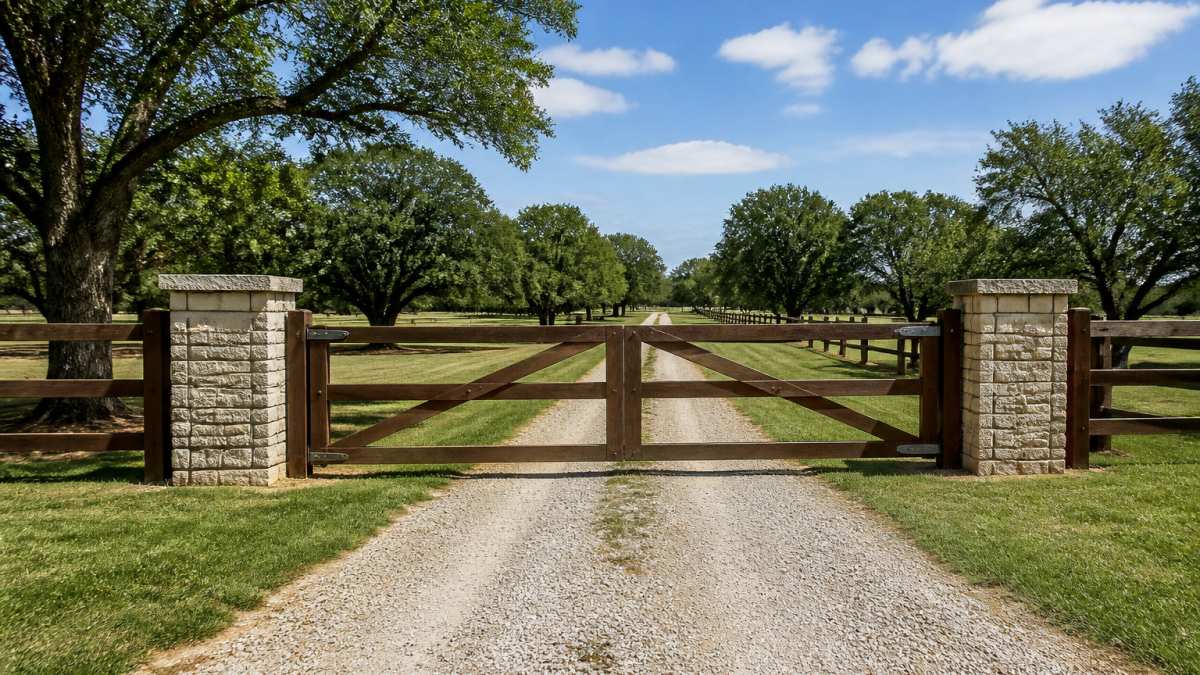
Walk the property with a buyer's eye. Repair broken fences and gates, clear overgrown drives and remove old trash or equipment that clutters the view. Check that water sources, barns and structures are in working order.
Note what you fix and keep receipts. Those records help buyers trust the condition of the property.
Step 3: Price Your Ranch Land Accurately
Pricing sets the tone for everything after it. A price that is too high can keep serious buyers away, while one that is too low can leave money on the table.
Connect with Monica Allison now. →
Look at recent sales of comparable ranches nearby. Compare acreage, water, improvements, access and location. Adjust for differences rather than using a single average.
For a detailed method, see our guide on how to price ranch property for sale.
Step 4: Market the Property to the Right Buyers
Ranch buyers come from different groups, such as livestock operators, hunters, retirees and investors. Each group looks for different features, so your marketing should speak to the likely buyer.
- Use clear, quality photos that show water, fencing and improvements
- Describe the land's uses, such as grazing, wildlife or building sites
- List the property where ranch buyers actively search
- Share a fact sheet with acreage, taxes, water sources and access
Step 5: Show the Ranch Effectively
Showings give buyers a chance to picture themselves on the land. Plan them so buyers can see the most important features.
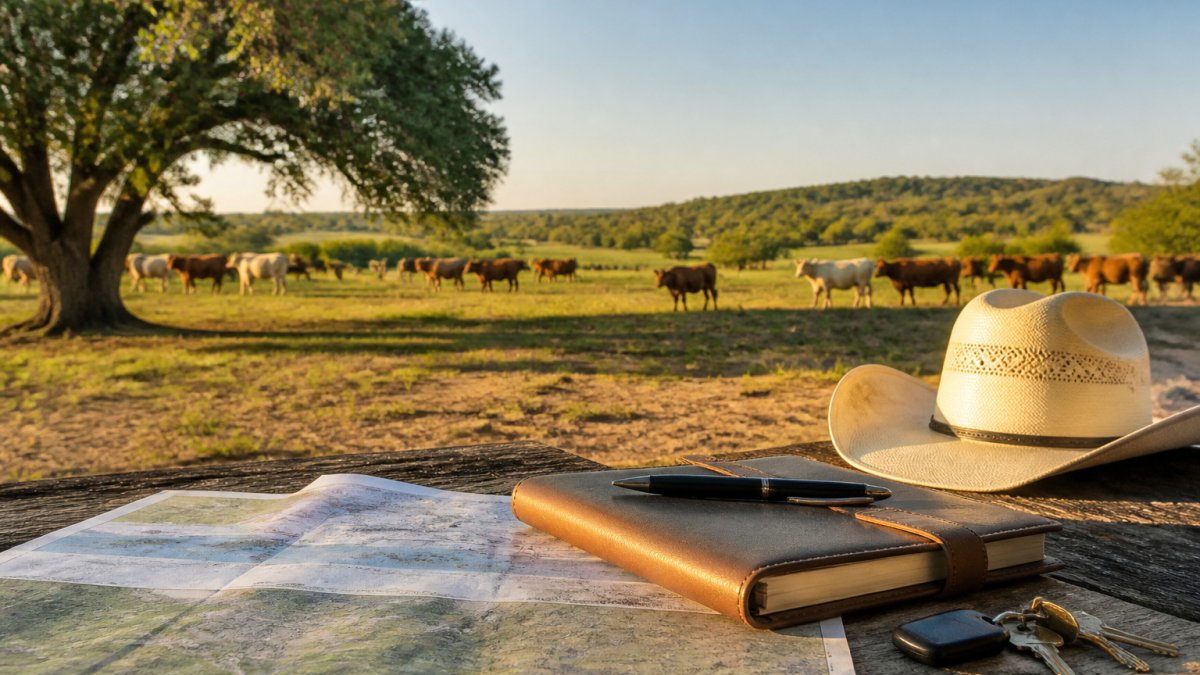
Walk buyers to the water source, the main fence lines and any structures. Bring a printed map so they can follow the boundaries. Be ready to answer questions about access, utilities and seasonal conditions.
Step 6: Evaluate Offers and Negotiate Terms
An offer includes more than the price. Compare the financing, the closing date, contingencies and what is included in the sale, such as equipment or livestock facilities.
Review each offer carefully. A slightly lower offer with strong financing and fewer contingencies can be the better choice. Negotiate on the terms that matter most to you, and get the final agreement reviewed before you sign.
Start Your Ranch Sale With a Free Property Review With Monica Allison
Selling ranch property well starts with knowing what your land is worth and what buyers need to see. Connect with Monica Allison now. Before you commit, read about what to look for in a ranch agent. Monica works in both farm and ranch real estate and residential property across the Texas Hill Country, and can help you prepare, price and market your land.
Frequently Asked Questions
How do I prepare a ranch property for sale?
Start with a walk-through as if you were a buyer. Repair fences, clear overgrown brush along roads and building sites, service or document water wells and stock tanks, and make sure gates and access roads are passable. Clean up old equipment and debris. Buyers pay more when they can see the land is well maintained, and a tidy ranch also gives them fewer questions about hidden costs.
What documents should I gather before selling a ranch?
Collect your deed and title history, a recent survey or plat, any boundary and access easement records, water rights and well permits, mineral rights documentation, tax statements, and records of any agricultural or wildlife exemptions. Having these ready speeds up the process and helps you spot title or easement issues before a buyer does.
How long does it take to sell ranch property?
Timelines vary widely based on acreage, price, location within the Texas Hill Country and the current market. Properties priced accurately and marketed to the right buyers often move faster than those held at an inflated price.